China’s Iran balancing act grows more costly
China is showing growing unease over the economic and strategic costs of Iran’s confrontation with the United States, even as it continues to shield Tehran diplomatically at the United Nations.

China is showing growing unease over the economic and strategic costs of Iran’s confrontation with the United States, even as it continues to shield Tehran diplomatically at the United Nations.

Tehran media coverage of the impasse with Washington following President Donald Trump’s visit to China points to growing frustration, with many insiders voicing concern that diplomacy has stalled and more confrontation may lie ahead.
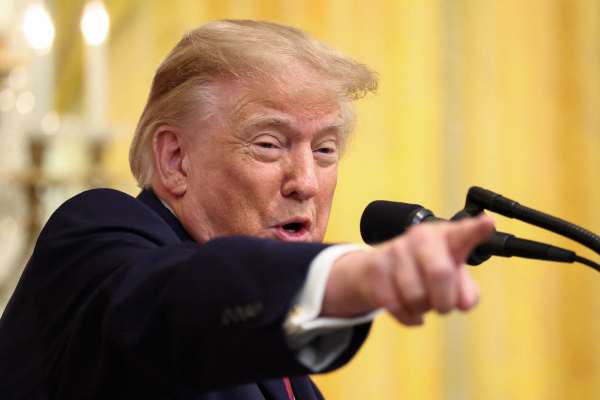
President Trump’s visit to Beijing appears to have confirmed two things about China’s approach to the Iran crisis: it is willing to help prevent further escalation, but not at Tehran’s expense.
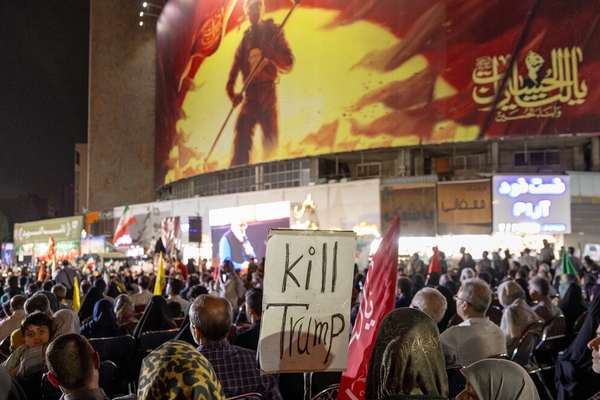
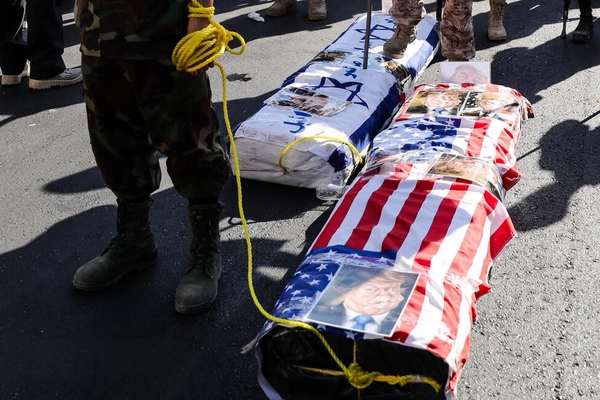
Iran's parliament is reviewing a bill that requires the government to pay €50 million to any individual or entity that kills US President Donald Trump in retaliation for the killing of Iran's leader and commanders, a senior lawmaker said on Thursday.

Iranian former diplomats and political analysts struck a pessimistic tone in Wednesday’s media ahead of Donald Trump’s talks with Chinese President Xi Jinping, warning of renewed escalation and portraying China as central to any Iran-US settlement.

Ahead of Donald Trump’s arrival in Beijing, Iranian officials rejected suggestions that US pressure could weaken Iran-China ties amid growing speculation over a possible Chinese mediation role in the Iran conflict.

Iran is increasingly looking to China not just as an economic partner, but as the only major power capable of offering credible guarantees in both the Persian Gulf and any future agreement between Tehran and Washington.

The relationship between the Taliban and Iran, once marked by military confrontation and nearly pushed to war, is now defined by caution and quiet engagement.

As tensions escalate in the Middle East, critics say Canada’s “values-based realism” has left Ottawa a passive observer rather than an influential middle power confronting Iran’s threats and regional crises.

Iranian media have welcomed Beijing’s unusually sharp rhetoric in support of Tehran, portraying recent Chinese diplomacy as evidence of a deepening strategic partnership.

A former senior Iranian security official has criticized state television for amplifying hardline rhetoric that he warned could deepen social divisions at a sensitive moment for the country.

Signs of a possible breakthrough between Tehran and Washington have triggered sharply divergent reactions across Iran’s political and media landscape.

The Canadian opposition has accused the government of bypassing its own rules after Iran International reported that an IRGC-linked Iranian football official was granted special permission to enter the country despite being inadmissible.

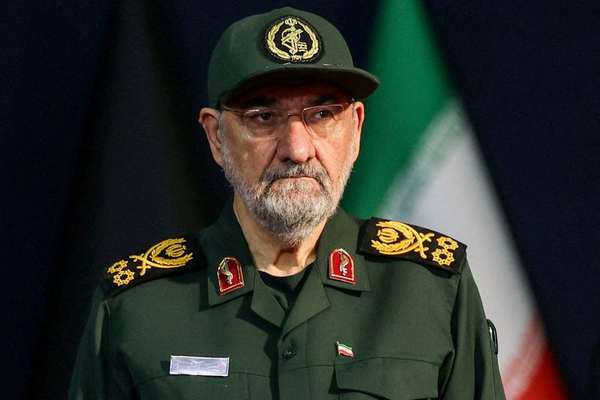
Any settlement of the Iran war that leaves the Revolutionary Guards in control would preserve the Islamic Republic's core of power and risk turning a military advantage for the US and Israel into a strategic defeat.

The next phase of the Iran–US standoff may be decided not on the battlefield, but by how much economic pressure each side can withstand.

As Iranian officials continue to tout a “strategic partnership” with Russia, rare public criticism has emerged over Moscow’s muted response to the recent war.

A widening split over how to deal with the United States has reached the deepest layers of Iran’s hardline establishment, surfacing in state-linked media and among factions that have long presented a united front under the banner of revolutionary loyalty.

As efforts continue to revive talks with the United States, Iranian lawmakers and state-linked outlets are increasingly calling for secrecy around negotiations.

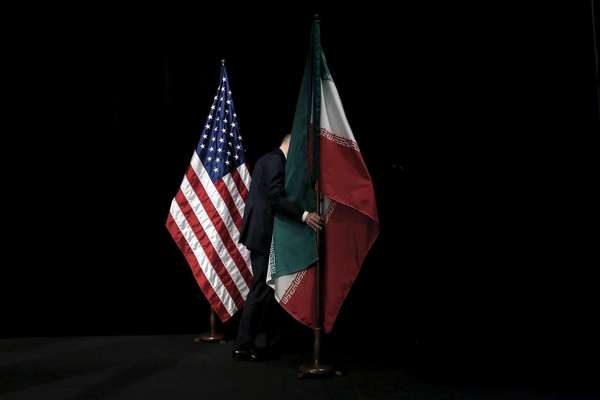
Deep-rooted mistrust continues to stand in the way of any meaningful thaw between Iran and the United States despite renewed diplomacy after weeks of war.

In Tehran, Abbas Araghchi’s whirlwind regional tour is being presented as evidence that Iran still has diplomatic options and regional leverage.

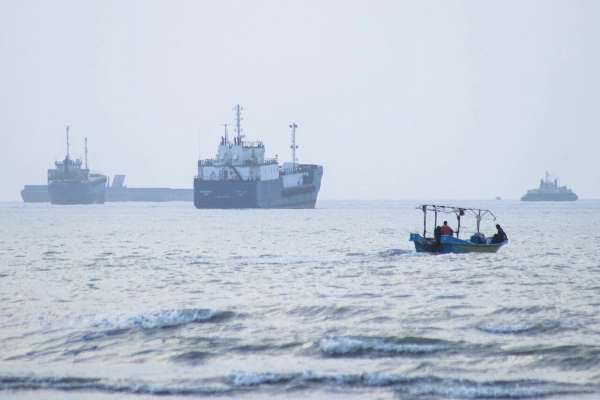
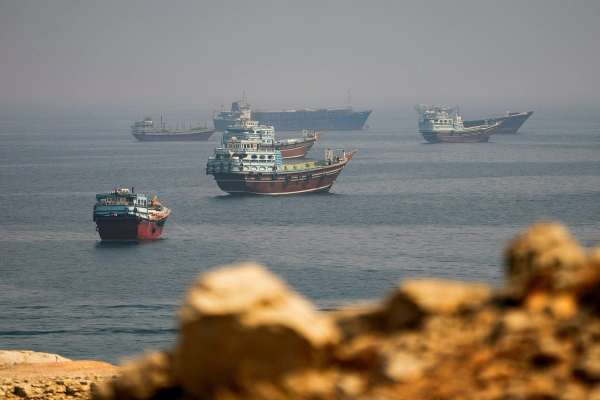
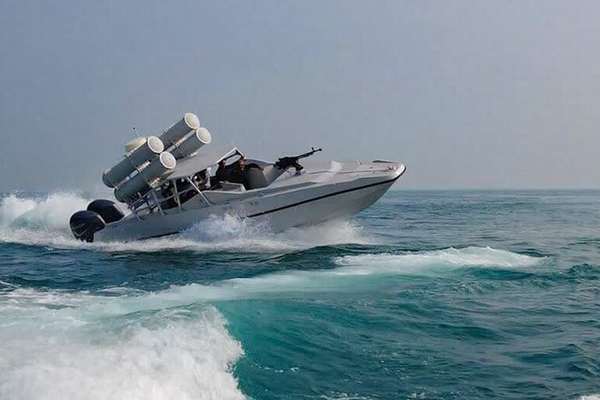
Iran and the United States traded accusations at the United Nations on Monday over the Strait of Hormuz, as the archfoes’ weeks-long standoff over the strategic waterway continued to disrupt global energy supplies and world trade.

Reports that Mohammad Bagher Ghalibaf may have been sidelined from Iran’s negotiations with the United States have revived an old question from Soviet history: can an insider reform a rigid ideological system without becoming one of its casualties?