Iran shields its oil exports as Hormuz flows falter
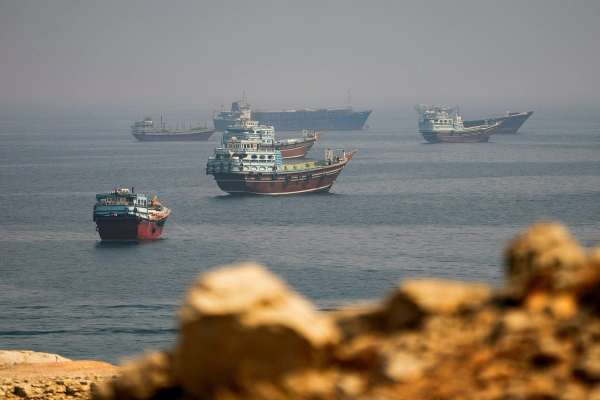
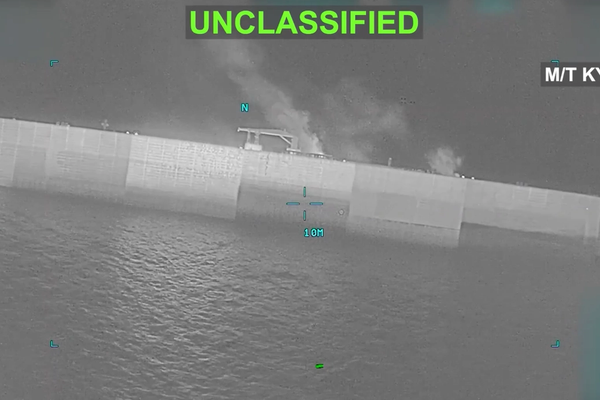
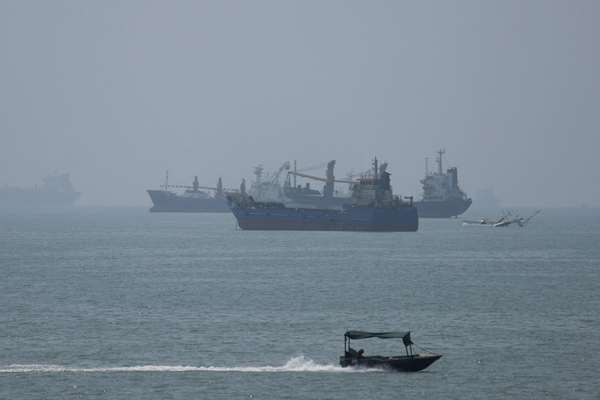
While Iran has effectively choked off oil exports by its Arab neighbors through the Strait of Hormuz, it has continued shipping its own crude largely uninterrupted.

While Iran has effectively choked off oil exports by its Arab neighbors through the Strait of Hormuz, it has continued shipping its own crude largely uninterrupted.

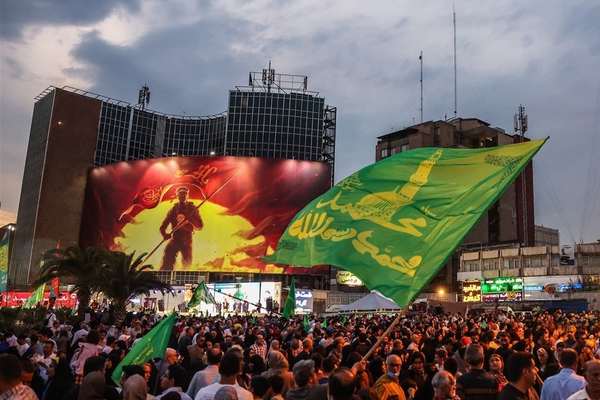
Iranian officials are urging citizens to fill the streets as Israeli strikes hit security sites, while opposition figures warn the calls aim to create civilian “human shields” around security forces under attack.
Iran’s new supreme leader Mojtaba Khamenei inherits not merely his father’s office but also the constitutional ambiguities and political compromises that accompanied Ali Khamenei’s own controversial elevation nearly four decades earlier.
Tehran’s decision to widen the war is an attempt to project strength but may better be understood as a survival strategy—one rooted in deliberate escalation and shaped by a logic akin to mutually assured destruction.

Failure to restore shipping through the Strait of Hormuz is beginning to show what prolonged disruption could mean for global energy markets.

Two days after he was announced as Iran’s new Supreme Leader, Mojtaba Khamenei remains absent from public view, raising questions his swift selection was meant to pre-empt.

Why would anyone celebrate bombs falling on their own country? The question was widely asked after videos emerged showing some Iranians cheering strikes on regime targets.

By elevating Mojtaba Khamenei—a figure most Iranians have never heard speak—the Islamic Republic has completed a long drift away from popular legitimacy.

Tehran may have assumed that a US–Israeli attack would activate the loose alignment it has cultivated with Moscow, Beijing and other non-Western powers. So far, it has instead exposed its limits.

As war spreads across the Middle East and attention focuses on oil, the region’s most dangerous soft targets may be desalination plants.

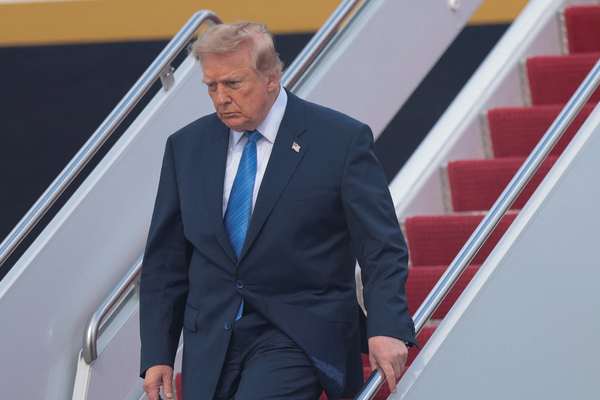
As anti-war protesters in Western capitals chant “no war with Iran,” some Iranians inside and outside the country are cheering the US-Israeli strikes and publicly thanking President Donald Trump.

A Supreme Leader has been killed. A son has been chosen. And the Revolutionary Guards are driving the process.

The killing of Iran’s Supreme Leader Ali Khamenei has triggered celebrations among many Iranians, but analysts say the moment marks not an endpoint but the beginning of a new and highly consequential chapter for the Islamic Republic.

Iran has shown it can disrupt regional energy flows. What remains far less clear is whether it can use that leverage to shape the outcome of the conflict in its favor.

Reports in major outlets that Tehran has floated a “commercial bonanza” to the Trump administration should be understood less as an investment roadmap than as a survival strategy.

After decades of ideological expansion abroad and coercive control at home, Tehran’s rulers face a narrowed choice between two treacherous paths: Concession of power or deeper confrontation.

China appears to be replacing disrupted Venezuelan oil shipments with Russian crude rather than Iranian barrels, despite steeper discounts being offered by Tehran.

As cartel violence grips Mexico following the death of a top drug lord, experts tell Iran International that Tehran-linked networks may be intertwined with the criminal infrastructure fueling instability across Latin America.

The burning of the Islamic Republic’s national flag at three Iranian universities on Monday marks a new high in the widening rift between the state and the people.

Tehran’s posture increasingly resembles that of an embattled state that sees greater odds of survival in confrontation than in compromise—one that views a decisive clash not as catastrophe, but as a potential turning point.

Iran stands at a pivotal moment. If political change brings institutional reform, the country could break decades of stagnation and return to sustained growth. But without credible governance, any transition risks replacing one failed equilibrium with another.

Capital flight from Iran is accelerating just as oil revenues decline, according to new data from the Central Bank of Iran—a convergence that helps explain the sharp fall of the national currency in recent months.