Who speaks for Iran: What the public rift means, and what it hides
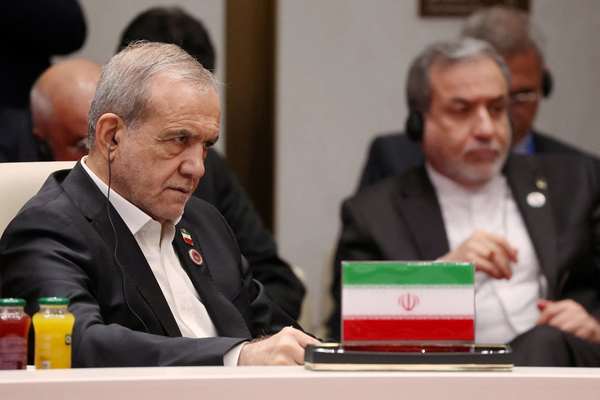
The most important question in Tehran may also be the one least possible to answer with confidence: who is making decisions?

The most important question in Tehran may also be the one least possible to answer with confidence: who is making decisions?

The Canadian opposition has accused the government of bypassing its own rules after Iran International reported that an IRGC-linked Iranian football official was granted special permission to enter the country despite being inadmissible.
Iran’s leadership is hardening its stance on the Strait of Hormuz, framing the waterway as a strategic and non-negotiable asset amid rising tensions and US pressure.
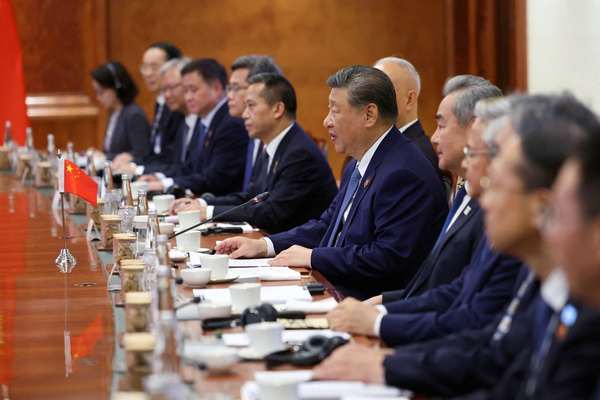
Iran's president and parliament speaker are seeking Foreign Minister Abbas Araghchi’s removal, accusing him of following the Revolutionary Guard chief’s instructions in nuclear talks without informing the president, two sources familiar with the matter told Iran International.

As Iranian officials continue to tout a “strategic partnership” with Russia, rare public criticism has emerged over Moscow’s muted response to the recent war.

Iran’s worsening economic crisis is drawing unusually blunt warnings from state media and establishment voices as war, inflation and shortages squeeze households and expose the limits of the government’s response.

A widening split over how to deal with the United States has reached the deepest layers of Iran’s hardline establishment, surfacing in state-linked media and among factions that have long presented a united front under the banner of revolutionary loyalty.

As efforts continue to revive talks with the United States, Iranian lawmakers and state-linked outlets are increasingly calling for secrecy around negotiations.

Iran’s Supreme National Security Council has held a meeting to address growing concerns among security agencies over a possible resurgence of protests, sources familiar with the discussions told Iran International.

Reports that Mohammad Bagher Ghalibaf may have been sidelined from Iran’s negotiations with the United States have revived an old question from Soviet history: can an insider reform a rigid ideological system without becoming one of its casualties?

The Islamic Republic that has emerged from the killing of Iran's Supreme Leader Ali Khamenei may prove more operationally aggressive than the one it replaces, analysts say.

Assertions by US President Donald Trump that Iran’s leadership is divided, and Tehran’s increasingly coordinated effort to deny it, have thrust the issue of unity to the center of the standoff between the two countries.

The real story behind Tehran’s sudden “unity” campaign did not begin with Donald Trump’s accusations of disarray within Iran’s leadership. It began with a secret letter to Mojtaba Khamenei.

As debate over a ceasefire and renewed talks with the United States intensifies, the absence of a clear supreme arbiter in Tehran appears to be giving Iran’s hardliners more room to shape the narrative and to hinder any eventual agreement.

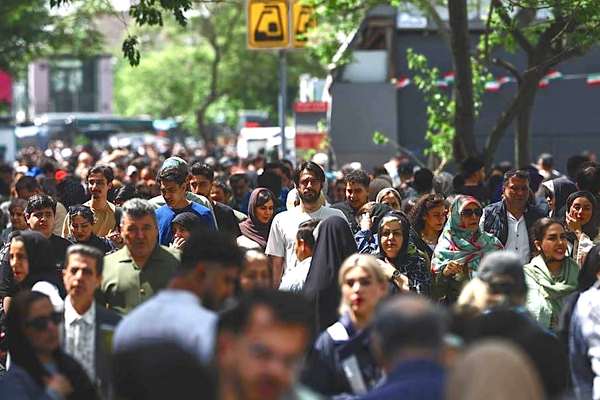
Iran’s state broadcaster has sparked ridicule after claiming that 87% of Iranians support continuing the war with the United States, in a curious turn from early in the conflict where pro-war sentiments of an alienated populace was branded treachery.

Mounting opposition to negotiations with Washington in Tehran is casting doubt over whether Iran will proceed with a new round of talks with the United States in Islamabad as the ceasefire deadline approaches.

Tehran’s commentariat is warning that the most troubling outcome of the current negotiations with Washington may be neither war nor peace, but a prolonged “no deal–no war” limbo.

Apparent divisions over negotiations with the United States may have strengthened the most confrontational elements within Iran’s political landscape and facilitated the rise of new hardline actors.

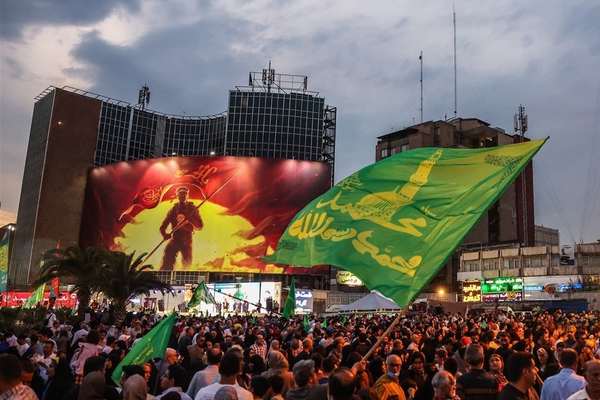
Pink missiles, pink drones and pink firearms. Women with uncovered hair—braids, ponytails, short bobs—stood beside weapons, waved flags and smiled for cameras in scenes broadcast across Iranian media. Tehran appears willing to try almost anything to preserve power.

The Iranian government has stepped back from earlier promises to compensate homeowners whose properties were destroyed in US-Israeli strikes, triggering anger among residents who expected the state to take responsibility for rebuilding.

Iran’s lead negotiator and parliament speaker Mohammad-Bagher Ghalibaf defended indirect talks with the United States in a televised interview Saturday after hardline critics accused him of “betrayal” and even hinted at a “coup” over the negotiations in Islamabad.

Iran's state media issued rare and sharply worded criticism of Foreign Minister Abbas Araghchi and the negotiating team after he declared the reopening of Hormuz Strait on X, saying the move created confusion and gave Trump an opening to claim victory.