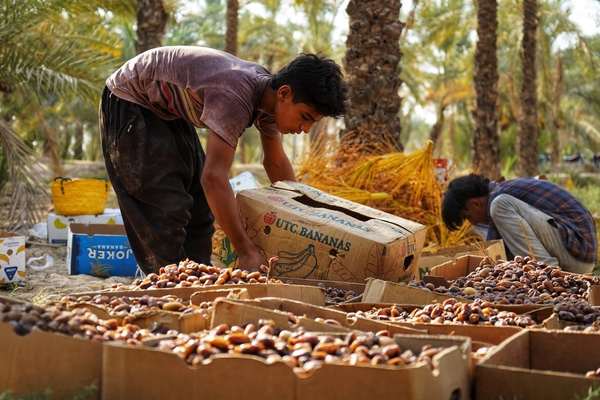
Tehran ‘ashamed’ as Iranians struggle to make ends meet
Iran’s economic hardship has grown so acute that senior government officials are increasingly acknowledging in public the scale of the pressure on ordinary households.
Iran’s economic hardship has grown so acute that senior government officials are increasingly acknowledging in public the scale of the pressure on ordinary households.
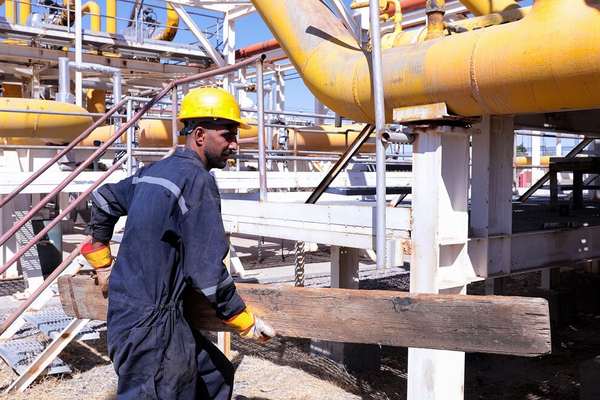
Iran is racing to restore gas infrastructure before winter after losing about a third of its pre-war production capacity, a reconstruction challenge that could force Tehran into difficult choices between keeping homes warm, power plants running and industry supplied.
Some cancer patients in Iran are selling essential household goods or abandoning medication as soaring drug prices and gaps in insurance coverage put treatment beyond the reach of low-income families, a charity director said on Thursday.
Iranian newspapers that agree on almost nothing agreed on Monday that the Muscat talks had collapsed. Kayhan, Shargh and Donya-ye Eghtesad all reported it, and the argument has already moved to what Tehran does next.
US prosecutors are seeking the forfeiture of about $61 million in cryptocurrency that came from black-market sales of sanctioned Iranian crude oil and petroleum products and was intended to finance Iran's government and military, including the Revolutionary Guards.
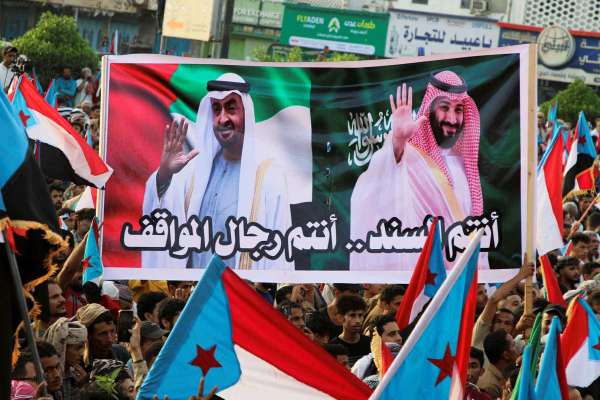
Iran has gained leverage over Saudi Arabia as Houthi advances and attacks put pressure on the kingdom’s territory and oil routes. But Riyadh is responding more forcefully, raising the risk that Tehran’s advantage could provoke a military backlash that ultimately weakens it.
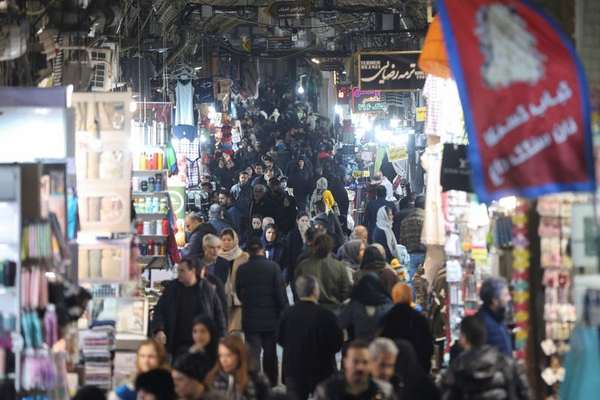
Iranians are struggling to afford basic food as bread prices rise sharply and citizens describe soaring costs for vegetables, snacks and other everyday purchases, according to an local media report and messages sent to Iran International on Monday.
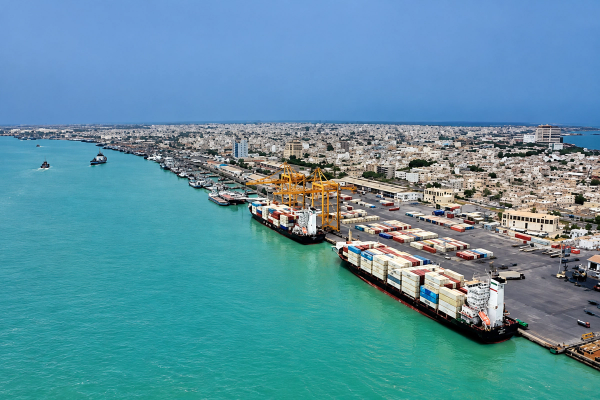
Foreign investment in Iran has effectively come to a halt following the war with Israel and the United States, with no new foreign investment recorded so far this Iranian year, a senior industry ministry figure said.
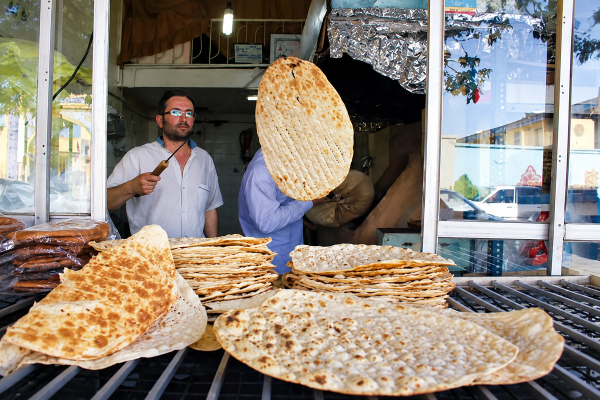
Iranians are increasingly buying basic food on credit and lining up for chicken scraps, with shopkeepers and residents describing shrinking purchasing power under rapidly rising prices in a report published Sunday.

Some Iranian schools are charging billions of rials for pools, therapy and small classes as students elsewhere reuse old bags and go without uniforms, shoes and stationery because their families cannot afford them ahead of the new school year.
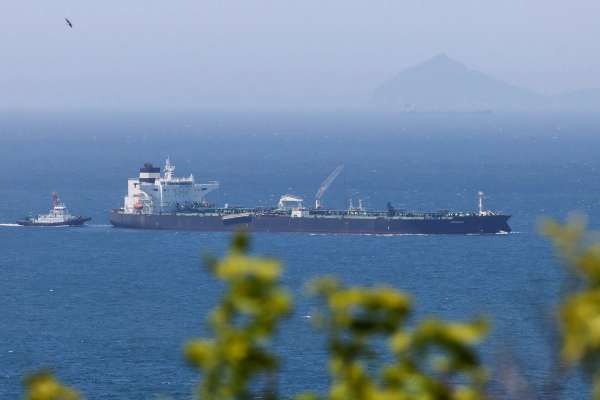
Middle Eastern oil exporters are finding ways around months of war and shipping disruption, with UAE crude exports back at pre-war levels, according to TankerTrackers.com, which says Iranian exports have effectively vanished.
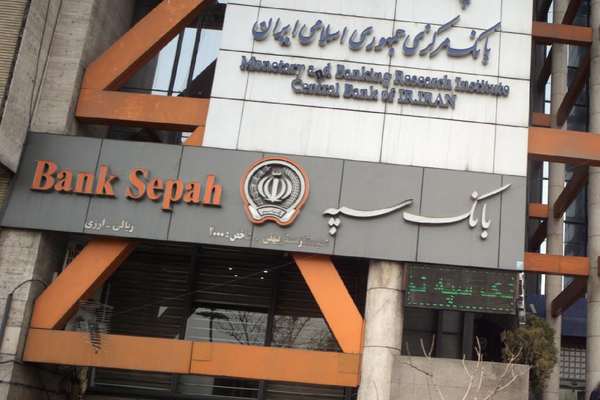
Sepah Bank, a major state-owned bank tied to the Islamic Republic's military has warned staff to pursue pay and workplace grievances only through authorized channels, according to an internal notice obtained by Iran International.
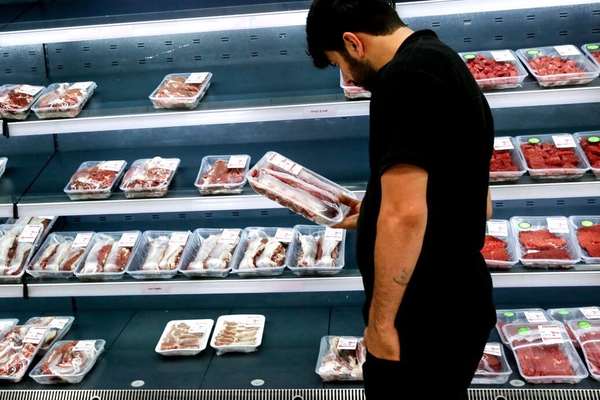
Soaring food prices in Iran are increasingly reflected in reports of theft, with groceries appearing in cases ranging from first-time shoplifting to warehouse raids and armed robbery.
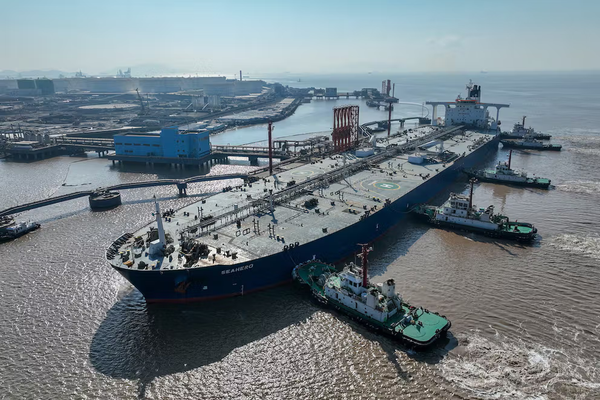
A new Iranian oil trading network has been entrusted with selling millions of barrels of sanctioned crude even though its members still owe billions of dollars from earlier sales, according to documents obtained by Iran International and Oil Ministry sources.
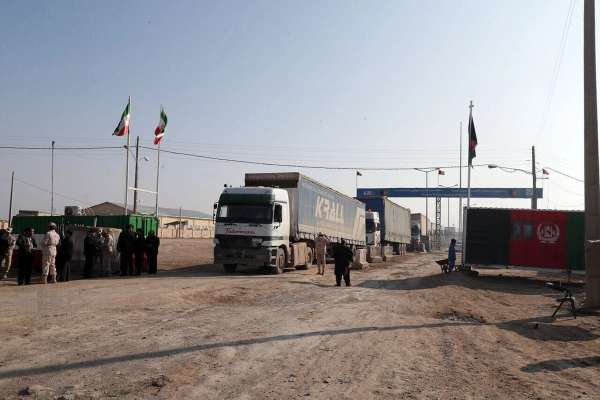
Iran's exports to Afghanistan have fallen by at least 25% since the US-Iran war began this year, while competitors have moved quickly to expand their share of the Afghan market, the head of the Iran-Afghanistan Joint Chamber of Commerce said on Wednesday.
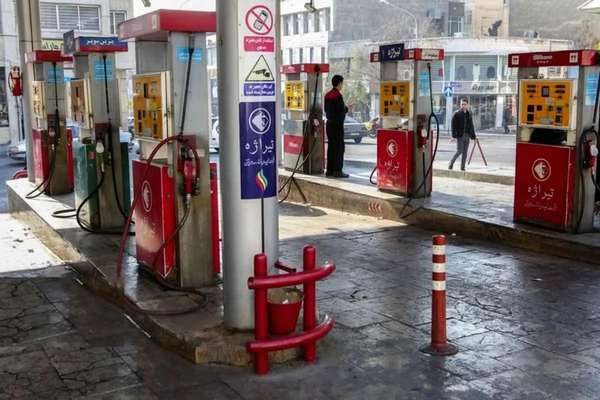
Iran’s decision to double the price of gasoline sold outside subsidized quotas could generate less than $500 million in additional annual revenue under current consumption patterns, but can it resolve the structural pressures behind the country’s growing fuel shortage?
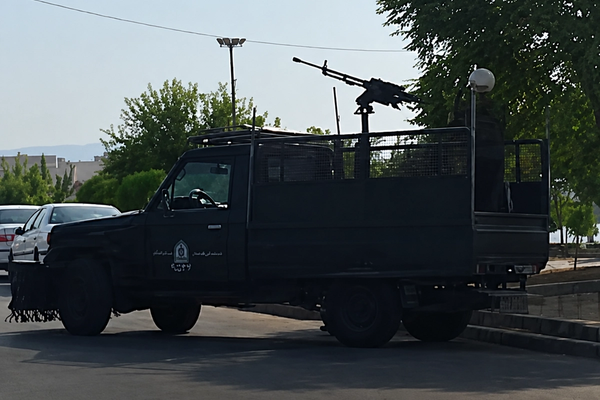
Iranian security forces deployed around fuel stations and on streets across the country as a gasoline price increase took effect, with people warning of further pressure on household budgets and rising prices for other goods and services.
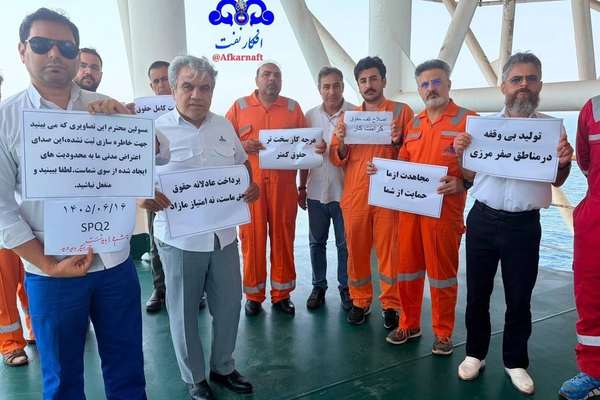
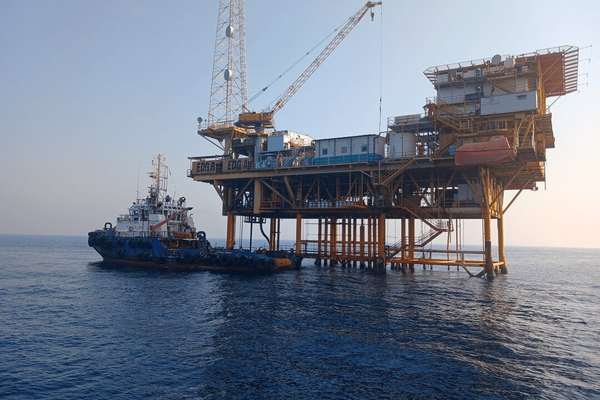
Employees of Iran’s oil industry held protests Monday at offshore platforms operated by Pars Oil and Gas Company and in the southern energy hub of Assaluyeh, demanding changes to pay, taxes and benefits as US economic pressure weighs on Iran’s oil exports and wider economy.
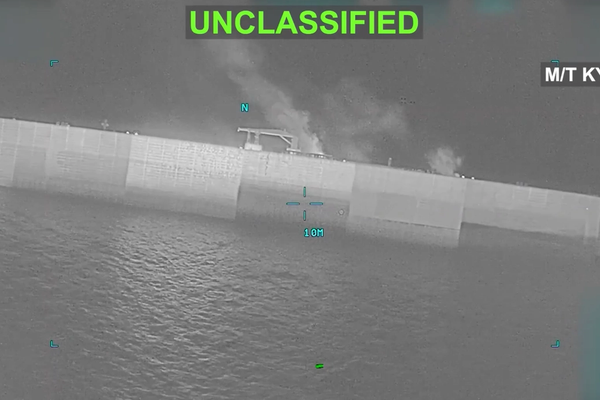
US attacks on Iranian oil tankers could make it far harder and more expensive for Tehran to keep selling its crude, but the strategy carries a potentially much larger cost: turning the Persian Gulf’s energy infrastructure into an expanding battlefield.
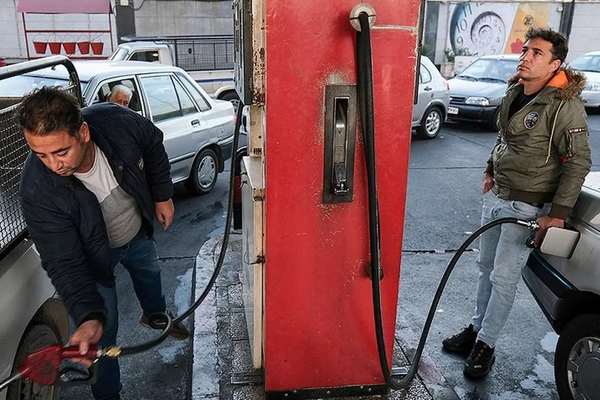
Iran will double the price of gasoline bought outside subsidized quotas from Tuesday, pushing ahead with a politically sensitive increase as households struggle with rising prices and the country faces fuel shortages.
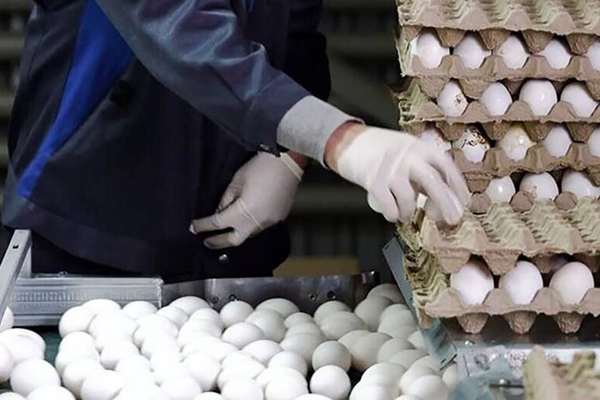
When eggs can hold their value better than cash, an economy has entered dangerous territory. But that is exactly where Iran is.

Iran has about 30 million barrels of crude oil remaining that China has not already purchased, and US sanctions and a naval blockade will soon prevent Tehran from supplying more, Treasury Secretary Scott Bessent said in an interview with Fox News.