From Riyadh to Ankara and Doha, governments across the Middle East have moved with unusual urgency to contain the confrontation.
Their motives are not driven by abstract appeals for peace, but by hard calculation: war between Iran and the United States would expose their territory, economies and political stability to immediate risk.
This emerging consensus reflects a simple conclusion shaped by a decade of upheaval: a controlled crisis can be managed; a war cannot.
Turkey, Oman, Qatar, Saudi Arabia and Egypt have taken active diplomatic roles, encouraging negotiations and warning against escalation.
Iran, for its part, has sought to use these fears to its advantage, signaling that any US strike could trigger a broader regional conflict and effectively drawing its neighbors into the role of intermediaries.
Most of these states maintain closer ties with Washington than with Tehran. Yet their opposition to war is rooted less in sympathy for Iran than in their own vulnerability.
Mediators and stakeholders
Oman has played the most visible mediating role, hosting talks and serving as a trusted channel between the two sides. Muscat has repeatedly warned of the dangers to Persian Gulf security and maritime traffic, emphasizing diplomacy as the only viable path forward.
Qatar occupies a similarly delicate position. It hosts Al Udeid Air Base, the largest US military installation in the region, while maintaining functional ties with Tehran. Qatari officials have warned that any war would be “catastrophic,” and Doha’s dependence on uninterrupted gas exports makes it especially exposed to disruption.
Saudi Arabia, after years of confrontation with Iran, has adopted a more cautious posture. Crown Prince Mohammed bin Salman has emphasized avoiding escalation in contacts with both Tehran and Washington.
Saudi officials have also publicly supported diplomacy, reflecting concern that another regional war could threaten the kingdom’s economic transformation plans and expose its oil infrastructure to attack, as seen in the 2019 strikes on Aramco facilities.
Egypt, though geographically further removed, faces its own vulnerabilities. The security of the Suez Canal and Red Sea shipping lanes is critical to its economy, and Cairo fears a conflict could disrupt trade routes and deepen economic strain.
Turkey’s balancing act
Turkey, which shares a border with Iran and maintains deep economic ties with its neighbor, has intensified diplomatic efforts to prevent escalation.
President Recep Tayyip Erdoğan has repeatedly said Ankara does not want another war in the Middle East, while Foreign Minister Hakan Fidan has warned that military strikes would neither topple Iran’s leadership nor resolve the nuclear dispute.
War could trigger refugee flows, destabilize border regions and inflame ethnic tensions, particularly in Kurdish areas.
Yet Turkey’s NATO membership and longstanding security relationship with Washington limit its room for maneuver. In a conflict, Ankara would likely seek formal neutrality while quietly maintaining limited cooperation and positioning itself as a mediator.
Oppose war, prepare for it
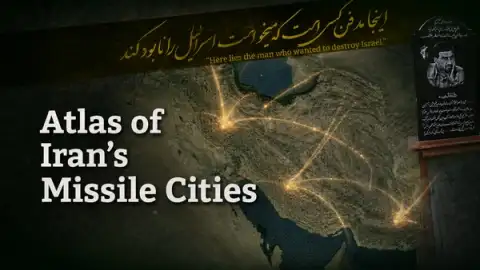
Across the region, governments face a difficult reality: they depend on the United States for security while remaining exposed to Iran’s missiles, drones and allied militias.
This dual vulnerability explains their approach. They oppose war and are working to prevent it—but are also preparing for the possibility that diplomacy fails.
War could drive up oil prices, offering short-term gains for producers like Saudi Arabia and Qatar. But those benefits would be outweighed by the risks: attacks on infrastructure, disruption of shipping through the Strait of Hormuz or Suez Canal, and capital flight.
Their mediation efforts have helped create the conditions for talks in Muscat and Geneva. But their calculations remain shaped by geography and alliances.
If war breaks out, most would seek to avoid direct involvement while quietly aligning with Washington’s security framework to protect their territory and long-term interests.