• العربية
  • فارسی
BrandBrand
  • Iran Insight
  • Politics
  • Economy
  • Analysis
  • Special Report
  • Opinion
  • Podcast
  • Live TV
  • Iran Insight
  • Politics
  • Economy
  • Analysis
  • Special Report
  • Opinion
  • Podcast
  • Live TV
  • Theme
  • Language
    • العربية
    • فارسی
  • Iran Insight
  • Politics
  • Economy
  • Analysis
  • Special Report
  • Opinion
  • Podcast
  • Live TV
All rights reserved for Volant Media UK Limited
volant media logo

Iran drug and medical costs surge 70% after subsidy removal

Nov 10, 2025, 10:47 GMT+0

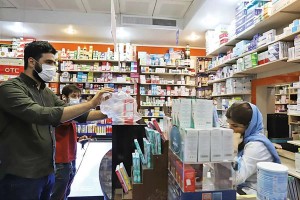
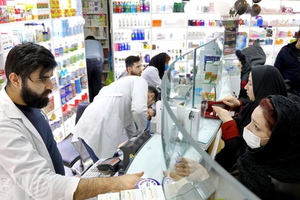
Prices of medicines, medical equipment and healthcare services in Iran have surged by around 70% following the government’s removal of the subsidized exchange rate for drug imports, domestic media reported on Monday.
The Daroyar reform plan, launched to offset price hikes through insurance coverage, has failed to meet its target, leaving patients to shoulder the cost, news outlet Rouydad24 said.

Rising foreign exchange rates, reduced liquidity among importers, and broader inflation have deepened shortages in hospitals and pharmacies. 

Analysts say the crisis is worsened by budget shortfalls in social insurance funds and the influence of monopolistic drug networks, which are accused of hoarding and speculative pricing.

Lawmakers have warned that continued price spikes could spark public anger and further strain Iran’s already fragile healthcare system.

Foreign currency squeeze

Last month, a leading pharmaceutical industry figure, Mojtaba Sarkandi, told the reformist daily Etemad that Iran faces inevitable production disruptions and severe drug shortages by March, as renewed UN sanctions under the snapback mechanism tighten access to foreign currency and strain supply chains.

“The industry operates on two realities,” Sarkandi said. “While up to 99% of medicines are locally produced, most key ingredients still come from abroad, mainly China and India.”

According to Etemad, Tehran allocated about $3.4 billion in foreign currency for medicine and medical equipment this year, but a 10–20% shortfall has already emerged. Shipping and insurance costs have climbed by as much as 50% since September, and import timelines have doubled to six months.

While sanctions have limited Tehran’s ability to finance imports, industry executives also blame policy missteps, from delayed currency allocation to state-imposed price caps, for deepening the turmoil.

“Sanctions may explain 40% of the crisis,” one executive told Etemad. “The rest stems from domestic policy failures, arbitrary pricing and poor transparency.”

Most Viewed

US strikes on Iran now serve the blockade
1
ANALYSIS

US strikes on Iran now serve the blockade

2

US says it can sustain Iran blockade for ‘foreseeable future’

3
PODCAST

Baluch insurgency tests the limits of a war-weakened Islamic Republic

4

Iran sends conflicting signals on US deal as Trump raises prospect of strikes

5

Pakistan talks peace with Iran, defends Saudis against Tehran’s proxies

Banner
Banner
Banner
Banner
Banner

Spotlight

  • Baluch insurgency tests the limits of a war-weakened Islamic Republic
    PODCAST

    Baluch insurgency tests the limits of a war-weakened Islamic Republic

  • US strikes on Iran now serve the blockade
    ANALYSIS

    US strikes on Iran now serve the blockade

  • Salvation or tragedy? Iranians debate prospect of another war

    Salvation or tragedy? Iranians debate prospect of another war

  • More patrols, slower internet suggest Tehran is bracing for trouble
    VOICES FROM IRAN

    More patrols, slower internet suggest Tehran is bracing for trouble

  • Iran’s evasion network survives, but the crude feeding it has run dry

    Iran’s evasion network survives, but the crude feeding it has run dry

  • Once US blockaded Iran, China’s ‘Malaysian’ oil imports dried up
    ANALYSIS

    Once US blockaded Iran, China’s ‘Malaysian’ oil imports dried up

  • Istanbul meeting: A new division of labor in the Iran war?
    ANALYSIS

    Istanbul meeting: A new division of labor in the Iran war?

  • China values Iran but won't pay any price to defend it
    ONE-ON-ONE

    China values Iran but won't pay any price to defend it

  • Rising prices, medicine shortages hit Iran after sanctions return

    Rising prices, medicine shortages hit Iran after sanctions return

  • Iranians feel the pain as medicine market reels from economic pressure

    Iranians feel the pain as medicine market reels from economic pressure

  • Iran faces looming medicine shortages as UN sanctions strain drug supply chains

    Iran faces looming medicine shortages as UN sanctions strain drug supply chains