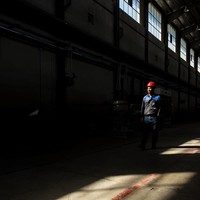
Yalda Night, or Shab-e Chelleh, marks the longest night of the year and is one of the most significant events on the Iranian calendar. Similar to Nowruz, the celebration of the Spring Equinox and the Iranian New Year, Yalda's origins trace back to at least the Achaemenid era (circa 500 BC). The word "Yalda," however, is derived from ancient Syriac and means "birthday."
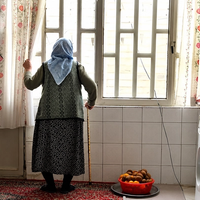
The celebration of Yalda, like Christmas, is an important family event celebrated with special foods, fruits such as watermelons and pomegranates, nuts and dried fruits, candles, poetry reading, games, and song and dance.
To ancient Iranians, the night of the Winter Solstice was the eve of the birth of the God of light and love, Mithra. On this night, they believed, Light defeated the powers of Darkness, and the sun gained its power again to make days longer and bring about the rebirth of nature at Spring Equinox.
President Masoud Pezeshkian who has been on a visit to Cairo, sent a special message to Iranians on Thursday to congratulate for Yalda. “We Iranians believe that Yalda will bring light [after long days of darkness]," he wrote in his message.