• العربية
  • فارسی
Brand
  • Iran Insight
  • Politics
  • Economy
  • Analysis
  • Special Report
  • Opinion
  • Podcast
  • Live TV
  • Iran Insight
  • Politics
  • Economy
  • Analysis
  • Special Report
  • Opinion
  • Podcast
  • Live TV
  • Theme
  • Language
    • العربية
    • فارسی
  • Iran Insight
  • Politics
  • Economy
  • Analysis
  • Special Report
  • Opinion
  • Podcast
  • Live TV
All rights reserved for Volant Media UK Limited
volant media logo

Second Illicit Iranian Oil Shipment En-Route To Bangladesh

Apr 10, 2024, 14:20 GMT+1
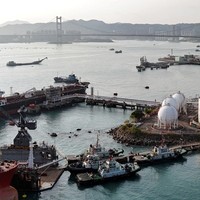
An Aframax-sized oil tanker sold to Venezuela is seen in Bushehr coast, Iran June 8, 2022.

Illicit Iranian oil is en route to Bangladesh for the second time with its arrival scheduled at Chittagong anchorage on Wednesday, as Iran continues to evade sanctions.

According to reports from NGO United Against A Nuclear Iran (UANI), the oil originated from Kharg Island, Iran, and was transferred in United Arab Emirates waters before being sent for delivery to Bangladesh.

UANI has urged Bangladesh to take a stand against the transaction and return the oil to Iran. The organization highlighted concerns over the use of ship-to-ship transfers by Iran to avoid detection of the destination of its cargo. This method involves turning off vessel transponders at sea and covertly transferring oil cargos.

The Islamic Republic employs various mechanisms, involving a network of entities and organizations, to sell its oil via third parties and evade sanctions.

Additionally, Iran has reportedly begun providing oil to state organizations, including the IRGC, as a means to bolster their budgets without direct financial allocation.

Such operations are typically orchestrated by state bodies and business figures with close ties to the regime, yielding substantial profits in the process.

Iran's oil exports have experienced a notable increase in recent years, rising from less than 500,000 barrels per day after the US re-imposed sanctions in 2019 to over 1,500,000 barrels per day.

Regime officials attribute the surge to strategies aimed at bypassing punitive measures rather than engaging in transparent dealings with the international community.

Most Viewed

War conditions curb mandatory hijab crackdown, Iranian official says
1

War conditions curb mandatory hijab crackdown, Iranian official says

2

Iran routed up to $2.5 billion via China sanctions workaround in past year - Reuters

3

Meat, cream, rice: Food becomes loot as prices soar in Iran

4

Tehran governor seeks return of schools used by military forces

5

Former presidents push for public say on ending Iran war

Banner
Banner
Banner

Spotlight

  • Iran’s hardliners bet on escalation as options narrow
    ANALYSIS

    Iran’s hardliners bet on escalation as options narrow

  • Iranian protester still unable to walk despite 23 operations for gunshot wound
    EXCLUSIVE

    Iranian protester still unable to walk despite 23 operations for gunshot wound

  • Behind Iran’s display of mercy, the gallows keep working
    INSIGHT

    Behind Iran’s display of mercy, the gallows keep working

  • Former presidents push for public say on ending Iran war

    Former presidents push for public say on ending Iran war

  • How body bags came to symbolize Iran's January killings
    ANALYSIS

    How body bags came to symbolize Iran's January killings