Two more political prisoners executed in Iran
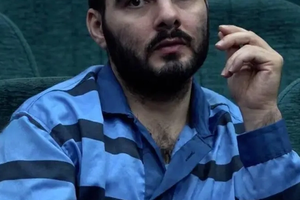
Iran’s judiciary said two political prisoners were executed on Saturday after their death sentences were upheld, in the latest use of capital punishment in security-related cases.
Iran’s judiciary said two political prisoners were executed on Saturday after their death sentences were upheld, in the latest use of capital punishment in security-related cases.
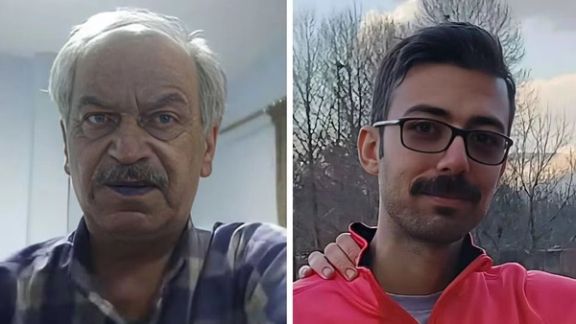
“Abolhassan Montazer and Vahid Bani-Amerian were executed on April 4,” judiciary outlet Mizan wrote, describing them as “terrorists” and listing charges including “armed rebellion,” membership in the Mojahedin-e Khalq (MEK) opposition group and plotting attacks using rocket launchers.
The report said the two were arrested while allegedly preparing to carry out an attack and that the court relied on what it described as confessions and evidence.
Charges and prior sentences
Mizan said Montazer was an “organizational member” of the MEK involved in armed activities, including preparing safe houses used to build launchers and improvised explosives.
Bani-Amerian was accused of conducting propaganda activities in support of the group and taking part in operations targeting various locations.
Both men were sentenced to death in December 2024 by Branch 26 of Tehran’s Revolutionary Court under Judge Iman Afshari, alongside four others.
The Islamic Republic had already executed four of those co-defendants – Akbar Daneshvarkar and Mohammad Taghavi Sangdehi on March 30, and Pouya Ghobadi Boostani and Babak Alipour on March 31 – on similar charges.
Rising executions and concerns
The latest executions come amid a broader increase in capital punishment tied to protest-related and security cases.
Authorities have also executed Amirhossein Hatami on April 2, as well as Saleh Mohammadi, Mehdi Ghasemi and Saeed Davoudi on March 18, all detained during January protests.
On March 17, the Islamic Republic also carried out the execution of Iranian-Swedish dual national Kourosh Keyvani on espionage charges.
Rights groups have warned that thousands of detainees could face similar risks, citing an intensified crackdown that has expanded the use of charges such as “terrorism” against protesters.
The recent wave of executions underscores the continued reliance on capital punishment in Iran’s handling of political dissent, even as broader internal and external pressures persist.



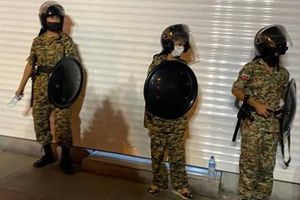
The statement follows remarks aired on state media by IRGC official Rahim Nadali, who said the minimum age for participation in support roles such as patrols, checkpoints and logistics had been lowered to 12 under a campaign encouraging volunteers.
“Given that the age of those coming forward has dropped … we lowered the minimum age to 12,” Nadali said, adding that 12- and 13-year-olds could take part if they wished.
“The Iranian authorities are shamelessly encouraging children as young as 12 to join an IRGC-run military campaign,” Amnesty said, adding that “recruiting children under 15 into the armed forces constitutes a war crime.”
The group cited video and eyewitness accounts which it said showed minors deployed at checkpoints and patrols, some carrying weapons, exposing them to risk as US and Israeli strikes target IRGC-linked sites across the country.
The development has revived concerns over the use of minors in security roles in Iran, including during the 2022 protests triggered by the death of Mahsa Amini, when images appeared to show children and teenagers in military-style gear.
Human rights groups have also accused Iranian authorities of killing child protesters during past crackdowns, with the Center for Human Rights in Iran saying more than 200 children were killed during unrest earlier this year.
Amnesty said the recruitment comes despite Iran’s commitments under the Convention on the Rights of the Child, which prohibits the use of children in military activities, and called on authorities to immediately stop enlisting anyone under 18.
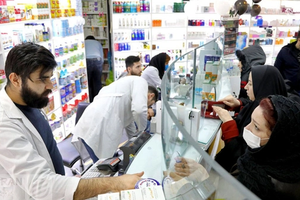
Several citizens said the price of Ryzodeg insulin jumped from 12 million rials (≈$8) to 76 million rials (≈$51). Five-dose packs of NovoRapid and Lantus now sell for 15–18 million rials (≈$10–$12).
A resident reported that the blood thinner Plavix, crucial to preventing strokes and heart attacks, rose from 7.5 million rials (≈$5) to 27 million rials (≈$18) in recent weeks.
An ordinary Iranian citizen earns approximately $100–$150 per month.
Shortages leave patients struggling
Before the war and US-Israeli attacks, insulin was already limited, with insurance covering only one dose per week. Residents say the scarcity has now reached crisis levels.
One citizen in Parand near Tehran said: “I couldn’t find my diabetes medications for a month, even without a prescription. Two types, Lantus and Apidra, usually last a week each, but I ran out completely.”
Another said his mother had to travel from Karaj to Qazvin (over 110 km) to obtain essential medicines. Tehran residents report difficulty finding Asentra (sertraline) for depression and Iran-made blood thinner Osvix.
Supply chain disruptions deepen crisis
Residents link shortages to halted imports from Turkey and Dubai. A transit driver said fewer registered shipments have reduced cargo flow. Local distributors have paused sales, while pharmacies face delayed deliveries and payments.
“Our city has more pharmacies than any other shop, but even acetaminophen is unavailable,” a Sari resident in northern Iran said.
The shortages coincide with rising food prices and widespread business closures, adding to economic strain.
However, Mohammad Reza Aref, First Vice President, said on Wednesday that strategic drug reserves are in good condition and ordered “immediate import” of essential medicines. Residents, however, continue to report high prices and irregular availability.
Global healthcare impact
NHS England chief executive Sir Jim Mackey warned that the Iran war could disrupt healthcare supplies internationally. Speaking to LBC Radio on Wednesday, Mackey said syringes, gloves, and intravenous bags may become scarce due to the closure of the Strait of Hormuz.
“A team has been set up across the NHS to assess risks through the supply chains. Almost everything may be at risk, as Britain relies heavily on imports for medicines and healthcare equipment,” Mackey said.
Medicines UK chief executive Mark Samuels said Britain could face further shortages if the conflict prolongs, noting that 85 percent of NHS medicines are generic and largely sourced from India.
Hatami was among a group of detainees held responsible for the events at the “185 Mahmoud Kaveh” Basij base on January 8. Families of the detainees told Iran International that Hatami and others were pushed into the building by unidentified armed individuals, after which the base caught fire. Witnesses said the protesters were trapped inside, with the blaze putting their lives at risk.
Mizan, the judiciary news outlet, wrote that Hatami was “convicted of actions that targeted national security and involved attempting to access weapons and ammunition in a classified military site” and that his trial followed the presentation of confessions and investigative reports. The outlet added that the Supreme Court had reviewed and upheld the ruling.
The other detainees named in the report were Mohammadamin Biglari, Shahin Vahedparast, Abolfazl Salehi and Ali Fahim.
Their case was heard at Branch 15 of Tehran’s Revolutionary Court, presided over by Judge Abolqasem Salavati, and death sentences were issued in February, according to the report.
Court documents cited in the report said Hatami’s presence at the base coincided with efforts to breach military restrictions, although family accounts and independent reporting suggest he did not set the fire nor voluntarily enter the premises.
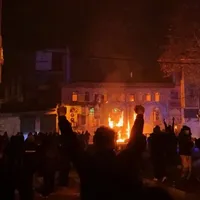
Eyewitnesses told Iran International that a large crowd had gathered outside the base on the evening of January 8 during nationwide protests, and several motorbikes in the street were set on fire. Some armed and unidentified individuals pushed protesters into the base and locked the doors, filling the building with smoke and putting those inside at immediate risk.
Detainees caught in prearranged scenario
Based on witnesses’ reports, the seven detainees were victims of a prearranged scenario by security and Basij forces intended to make them appear culpable for the fire. After the plan failed, five of them were referred for execution on charges including “enmity against God, corruption on earth, and conspiracy against national security.”
Hatami was one of five prisoners removed from Ghezalhesar prison for execution on Tuesday. Families reported that detainees, including Hatami, were transferred to undisclosed locations shortly before the execution. The prisoners, aged between 19 and 25, had limited access to legal counsel during a trial concluded within 30 days of their arrest.
Iran’s judiciary also announced that other political prisoners, including Pouya Ghobadi Bistouni and Babak Alipour, were executed earlier this week, along with Akbar (Shahrokh) Daneshvarkar and Mohammad Taghavi Sangdehi. Two additional prisoners, Vahid Baniamrian and Abolhassan Montazer, had been sentenced to death in December 2024.
Human rights groups warn of rushed executions
Families and human rights groups have repeatedly warned against executing prisoners under such circumstances and called for an immediate halt to the sentences. The cases have drawn international attention, highlighting the dangers of issuing death penalties without guaranteeing basic legal rights.
Amid heightened security tensions and restricted internet access, the rapid pace of executions in politically sensitive cases has increased, leaving detainees exposed to unpredictable and direct threats to their lives. Human rights organizations have warned that the acceleration of these executions could lead to a humanitarian crisis.