YouTube algorithm update hits revenue of Iranian creators
A picture illustration shows a YouTube logo reflected in a person's eye, in central Bosnian town of Zenica, early June 18, 2014
New Google algorithms for YouTube are more accurately detecting virtual private networks which mask user locations and are reclassifying most traffic as originating from Iran where ad rates are minimal.
Prominent creators have reported revenue drops of as much as 90% in December.
Previously, RPM (revenue per 1,000 views) for Iranian content creators averaged $3-11 but has now fallen to between 20 cents and $1 for many channels, Shargh Daily reported on Tuesday.
Gaming YouTuber Aria Keoxer reported earning just $400 from a video with 400,000 views, down from thousands previously, the report said.
The changes stem from improved detection of VPN-spoofed locations, treating most views as originating from Iran, whose market advertisers rarely seek out due to stiff Western sanctions.
Users in Iran also use VPNs to sidestep broad official censorship of the internet.
While not all channels are equally affected - some report only 20% declines - the shift threatens the viability of Iranian content production, pushing creators toward sponsorships or alternative platforms.
“The income of Persian YouTube channels has practically dropped to zero," one account said on X. "Since last week, YouTube in its new update doesn't even show ads to those who connect from inside Iran using a VPN, and this means that the previous method of making money through monetization no longer works.”
“The result is that Persian channels without sponsors have practically reached the end of the line, continuing has become very difficult for them, and for some of them, continuing activities are no longer worthwhile!" it added.
An official YouTube statement on the changes in December did not mention Iran.
The country's digital marketing sector has grown modestly despite sanctions. E-commerce revenue stood at $15-16 billion in 2025 and had grown up to 12% annually, analysis site Statista reported.
Social media advertising in Iran has hit about $430 million each year driven by local platforms like Instagram and Telegram as well as apps like retail hub Digikala and ride-hailing platform Snapp.
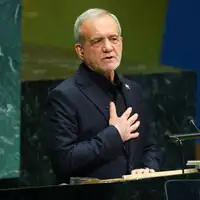
Iran's President Masoud Pezeshkian has repeatedly promised to lift government censorship over the internet, a key pledge of his 2024 presidential campaign, but has made little headway.
Public anger intensified after revelations of so-called white SIM cards providing unfettered access to privileged insiders, which critics say contradicts government rhetoric about digital equality.
The digital and e-commerce economy in Iran faced a huge blow during a 12-day war in June with Israel, when Tehran briefly shuttered the internet entirely in what authorities called an effort to foil Israeli espionage but dissidents said aimed at free expression.