• العربية
  • فارسی
BrandBrand
  • Iran Insight
  • Politics
  • Economy
  • Analysis
  • Special Report
  • Opinion
  • Podcast
  • Live TV
  • Iran Insight
  • Politics
  • Economy
  • Analysis
  • Special Report
  • Opinion
  • Podcast
  • Live TV
  • Theme
  • Language
    • العربية
    • فارسی
  • Iran Insight
  • Politics
  • Economy
  • Analysis
  • Special Report
  • Opinion
  • Podcast
  • Live TV
All rights reserved for Volant Media UK Limited
volant media logo

Iranian official reverses on hijab, urges punishment for dissent

Oct 12, 2025, 09:14 GMT+1

Mohammad Reza Bahoner, member of Iran’s Expediency Council, has recanted earlier remarks opposing mandatory hijab, calling it a "social necessity" and demanding punishment for those who challenge it during an appearance on Iran’s state broadcaster on Saturday.
Bahonar had previously caused a stir by saying there was no longer any basis for enforcing hijab laws.
“The era of running a country through mandatory hijab laws is over,” Bahoner said in a debate aired by Entekhab on October 4, adding that the Supreme National Security Council had cut the hijab legislation, rendering it unenforceable.

In a separate meeting with journalists, Bahoner said, “Some insist hijab must be compulsory. I’ve never believed in mandatory hijab—not from the beginning, and not now.”

Those remarks drew swift backlash from conservative figures and media, including Kayhan newspaper, which operates under the supervision of Supreme Leader Ali Khamenei’s office. The spokesperson for the Expediency Council, Mohsen Dehnavi, distanced the body from Bahoner’s statements, writing on X on Saturday that his comments “do not reflect the official views or legal standing of the Council.”

On Friday, Tehran’s interim Friday prayer leader Mohammad Javad Haj Ali Akbari rebuked Bahoner without naming him. “Who are you to speak like that? Who gave you permission? Why do you speak on behalf of the system?” he asked from the pulpit.

Facing mounting pressure, Bahoner walked back his remarks during a televised interview on October 11, aligning himself with hardliners. “In our system, boundaries must be clear. Whoever breaks these norms will be treated the same as someone who violates security or economic rules,” he said.

He equated cultural dissent with national security threats, saying, “Publications and media that undermine cultural norms are just as damaging to society as security breaches.”

His reversal comes amid a wave of government actions against businesses across Iran, including the sealing of cafes and restaurants accused of failing to enforce hijab rules. Police issued a fresh directive on October 9, warning all public venues to adhere to hijab regulations or face closure.

Most Viewed

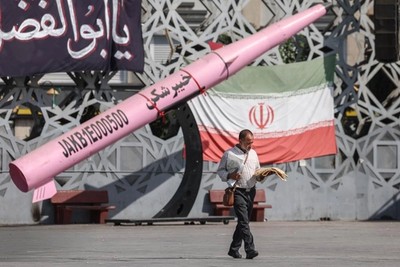
Russia agreed to supply Iran with 90 advanced missile launchers - FT
1

Russia agreed to supply Iran with 90 advanced missile launchers - FT

2

Democrats demand end to Iran war after US midterm sweep

3

Vance blames Iran war for election losses as Trump weighs next move against Tehran

4

Iran steps up diplomacy as Trump reels from midterm defeat

5

Iran sentences activist to death over X posts, lawyer says

Banner
Banner
Banner
Banner
Banner
Banner

Spotlight

  • Trump's election defeat fuels debate in Tehran over US deal
    INSIGHT

    Trump's election defeat fuels debate in Tehran over US deal

  • Iran hardliners warn against compromise after US election shakeup

    Iran hardliners warn against compromise after US election shakeup

  • Why social control remains central to Tehran's survival
    ANALYSIS

    Why social control remains central to Tehran's survival

  • Inside the IRGC-linked corporate network controlling Iran’s internet
    SPECIAL REPORT

    Inside the IRGC-linked corporate network controlling Iran’s internet

  • Gold loses its shine as Iranians struggle to make ends meet

    Gold loses its shine as Iranians struggle to make ends meet

  • Iran sentences activist to death over X posts, lawyer says

    Iran sentences activist to death over X posts, lawyer says

  • Iran can repair war damage, but can it revive its energy industry?
    ANALYSIS

    Iran can repair war damage, but can it revive its energy industry?