Natural Gas Shortage In Iran Shuts Schools, State Organizations

While Islamic Republic officials predicted a bad winter in Europe, offices, and schools in Iran have been closed for days due to a serious natural gas shortage.
While Islamic Republic officials predicted a bad winter in Europe, offices, and schools in Iran have been closed for days due to a serious natural gas shortage.
Gas supplies to homes, which the government tried to protect in past cold season crunches, have also been interrupted in some regions.
In addition to power outages and the closure of some CNG (Compressed natural gas) stations due to the shortages, the crisis is getting graver day by day and it is estimated that natural gas will be cut off in more regions of Iran this week.
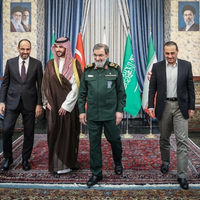
However, Iran’s Foreign Minister Hossein Amir-Abdollahian, said during his meeting with the Lebanese authorities on Friday that Iran is ready to send diesel fuel to Lebanon claiming that the country already exports natural gas to Iraq and some other countries as well.
Several social media users reacted to Amir-Abdollahian's comments, saying that the Islamic Republic is begging Lebanon to accept Iran's diesel, while people in Iran do not have natural gas amid the cold snap.
Iranians on social media believe sending of fuel to Lebanon in a situation that Iran is facing an energy crisis, shows the adventurism of the Islamic Republic in the region.
With natural gas shortage, Iran resorts to burning mazut at power stations, which is an extremely polluting fuel compared with cleaner diesel.
The natural gas shortage, which had put more than half of the cities in a semi-closed state in the past days, continued Saturday. In capital Tehran, in addition to schools and educational centers, government offices except for banks were closed.
In the provinces of Mazandaran, Esfahan, Qazvin, East Azarbaijan, Alborz, Gilan, Qom and South Khorasan, offices, organizations, schools, and universities were shut down.
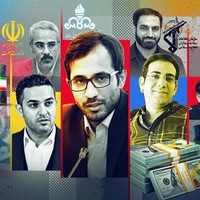
Amid this crisis, however, Iranian Oil Minister Javad Owji, went as far as asking people to report "suspicious cases of excessive gas consumption by neighbors" or "enemies' movements to disrupt the gas network" to the intelligence ministry or the IRGC intelligence.
This was a typical example of Iranian officials resorting to threats by intelligence agencies and claims of “enemy” activity as the reason for a problem entirely due to their shortcomings.
Iran has failed to invest in its gas production sector, although it has the world’s second largest reserves, while with extremely cheap prices for consumers, usage has been increasing ever faster. The distribution network also needs upgrades as more than 25 percent of the gas is lost during transfer.
Iran's gas production and extraction capacity is limited to around 800 million cubic meters per day.
According to the ministry of energy, about 650 million cubic meters are consumed in the domestic, commercial, and administrative sectors, however, the data has changed a lot in different years and contradict international estimates.
The international energy organizations say less than 40% of Iran's natural gas is consumed at homes, but the Islamic Republic is trying to blame the shortage of gas on home users.
Some Iranian officials including Mohammad Marandi, who was a member of the Iranian nuclear negotiating team, have been saying since last summer that "a hard winter in Europe" will force European powers to come back to the negotiating table. Marandi had predicted: "The winter is coming, and the EU will have to face a paralyzing energy crisis."
Hard-line officials were making these claims while Iran does not produce enough to export and has no way of shipping it to Europe.