Iran's rulers are betting on the iron fist
The unprecedented brutal crackdown on recent protests in Iran suggests Tehran's rulers are no longer attempting to govern a discontented society but are in open conflict with it.

The unprecedented brutal crackdown on recent protests in Iran suggests Tehran's rulers are no longer attempting to govern a discontented society but are in open conflict with it.

After the January 8-9 mass killing of protestors in Iran, state media broadcasts fresh snow falls and other serene scenes bearing little resemblance to the agony of many Iranians reeling from the historic violence.
Iranian authorities are moving quickly to launch a new project designed to make it possible to cut the country off from the global internet completely and for extended periods, according to information obtained by Iran International.
What is unfolding in Iran is a clash between a state that treats isolation and sacrifice as strategic virtues, and a society no longer willing to bear the economic and human cost of the Islamic Republic’s ideological and regional ambitions.

I am writing this from Tehran after three days of trying to find a way to send it: things may get a lot worse before they get any better.

As protests continue across Iran under a near-total internet shutdown, a viral clip showing a cleric calling for the Islamic Republic’s overthrow has fueled debate over the role of the clergy and broader shifts in public attitudes.

Looking back at Iranian films in 2025, one fact is hard to miss: it was underground cinema—not the country’s officially sanctioned productions—that defined the year internationally.

Bahram Beyzaie, one of the most influential figures in modern Iranian theater, cinema and literature, has died on his 87th birthday, according to a statement by the Stanford Iranian Studies Program, where he served as a visiting professor for the past 15 years.

Iranian psychiatrists are warning of a sharp rise in acute psychiatric emergencies linked to drug use, particularly among adolescents, raising concerns that the country may face a wave of long-term psychotic disorders if the trend continues.

A network of tunnels formed by illegal underground excavations beneath Tehran’s Grand Bazaar has triggered official warnings over serious safety risks, while raising questions about their purpose and those behind the digging.

There is a cruel ritual in Iranian opposition politics: some voices abroad constantly interrogate the “purity” of activists inside—why they did not speak more sharply or endorse maximalist slogans, why survival itself looks insufficiently heroic.

Iran’s chief prosecutor said on Monday that combating drug abuse and alcohol consumption should be treated as a national security priority, arguing that Iran’s adversaries were seeking to exploit social harm to destabilize the country.

An Iranian labor representative said soaring prices have eroded wages to the point where one gram of gold now equals a full month’s minimum pay for a worker.

Tehran’s recent gestures of apparent flexibility—from looser enforcement of the hijab to an embrace of nationalist symbolism—recall moments in Communist history when a brief opening exposed risks the system ultimately moved to contain.

Soaring costs have pushed many Iranian families to buy nuts and sweets on credit ahead of Yalda Night, the traditional winter celebration marking the longest night of the year, as sharp price increases squeeze household budgets in the final days of December.

Iran is not a war-torn country, yet four decades of Islamic Republic rule have driven mass emigration. UN data show over five million registered refugees or asylum seekers since 1980, with millions more leaving legally – about one in every 15 Iranians now living abroad.

Iranians across generations increasingly see migration not as a dream but as an escape from a future that feels out of reach, a survival strategy driven by economic collapse, shrinking opportunities, and a sense of confinement they say follows them both at home and abroad.

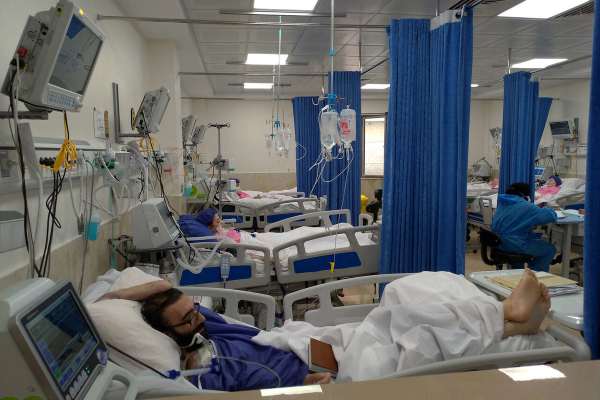
A chronic shortage of nurses and auxiliary staff in Iran’s hospitals has quietly given rise to a new and largely unregulated job: the “patient companion.”

A bus crash on the Esfahan-Natanz highway killed 13 people after an intercity coach allegedly veered into the opposite lane and slammed into a taxi on Tuesday, with Iran’s road police blaming suspected driver fatigue for the accident.

Iranian health officials warned that foreign currency bottlenecks and unpaid state debts are straining the drug supply chain, with the Food and Drug Administration chief signaling possible price rises for medicines and medical equipment to keep producers operating.

The family of Iranian activist Pouran Nazemi says they have had no contact with her since she was violently arrested alongside Nobel Peace Prize laureate Narges Mohammadi and other activists during a memorial service on Friday.

A prominent UK-based rights barrister has called for an independent investigation into the sudden death of Iranian lawyer Khosrow Alikordi this month after the case stoked outrage and rowdy protests at his memorial service.