• العربية
  • فارسی
Brand
  • Iran Insight
  • Politics
  • Economy
  • Analysis
  • Special Report
  • Opinion
  • Podcast
  • Iran Insight
  • Politics
  • Economy
  • Analysis
  • Special Report
  • Opinion
  • Podcast
  • Theme
  • Language
    • العربية
    • فارسی
  • Iran Insight
  • Politics
  • Economy
  • Analysis
  • Special Report
  • Opinion
  • Podcast
All rights reserved for Volant Media UK Limited
volant media logo

Cleric says retreat before US and Israel 'unacceptable'

Jun 12, 2026, 12:17 GMT+1

Mohammad Nabi Mousavifard, the Friday prayer leader in Ahvaz, said any retreat in the face of what he called the "US and Israeli front" is "forbidden and unacceptable."

Speaking during Friday prayers, Mousavifard said the country's security is not limited to military capabilities but stems from a combination of military strength, soft power, media savvy and economic resilience.

The "enemy", he added, is seeking to weaken society's resilience through rumor-mongering and efforts to deepen divisions.

Most Viewed

Will the Islamic Republic trade with the 'Great Satan'?
1
INSIGHT

Will the Islamic Republic trade with the 'Great Satan'?

2

Ships face conflicting Iran, US instructions in Strait of Hormuz - FT

3

US opens door to Iranian oil in historic sanctions rollback

4

Iran hardliners seek to stir unrest in parliament after US MoU, activist says

5

Israel smuggled tens of thousands of Starlink systems into Iran, former PM says

Banner
Banner
Banner

Spotlight

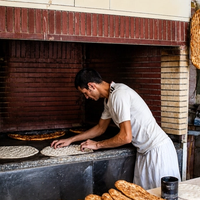
  • Tehran bread prices jump up to 100% in latest increase

    Tehran bread prices jump up to 100% in latest increase

  • Rising gym fees push fitness beyond reach for many Iranians
    VOICES FROM IRAN

    Rising gym fees push fitness beyond reach for many Iranians

  • Relief or resistance? Tehran dailies offer diverging readings of talks
    INSIGHT

    Relief or resistance? Tehran dailies offer diverging readings of talks

  • Will the Islamic Republic trade with the 'Great Satan'?
    INSIGHT

    Will the Islamic Republic trade with the 'Great Satan'?

  • Iran's postwar rallies become flashpoint in diplomacy debate
    INSIGHT

    Iran's postwar rallies become flashpoint in diplomacy debate

  • MoU's forgotten casualty is the Iranian people
    OPINION

    MoU's forgotten casualty is the Iranian people

•
•
•

More Stories

Friday prayer leader says countries aiding Iran's 'foes' could become targets

Jun 12, 2026, 12:07 GMT+1

Mohammad Mehdi Hosseini Hamedani, the Friday prayer leader in Karaj, said any country that places its territory or facilities at the disposal of what he called the Islamic Republic's "enemies" should understand that its infrastructure and interests would become legitimate targets for Iran's armed forces.

"Iranian nation" would never extend friendship or allegiance to the "killers of its commanders and martyrs," he added.

"Negotiations conducted under threat amount to accepting fear and retreating before the enemy and would bring no benefit to the country," said the cleric.

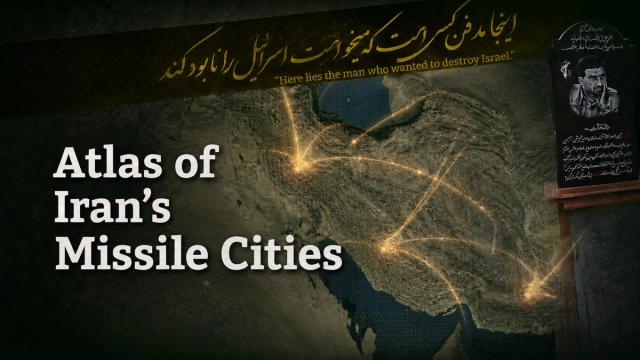
Missile capabilities excluded from proposed nuclear talks framework - IRNA

Jun 12, 2026, 11:46 GMT+1

Iran's state news agency IRNA reported that the current draft agreement with the United States is defined by seven broad principles and that Iran's missile capabilities would not be part of the agenda during proposed negotiations.

According to IRNA, only three issues would be addressed during the 60-day talks following the signing of the memorandum: the continuation of Iran's nuclear program, the lifting of US sanctions and a mechanism for compensation.

IRNA also reported that no agreement on the nuclear file has been reached within the current memorandum.

Cleric says targeting US interests forms part of Iran's new strategy

Jun 12, 2026, 11:32 GMT+1

Alireza Arafi, the Friday prayer leader in Qom, said expanding the scope of confrontation and targeting US interests in different locations forms part of the Islamic Republic's new strategy, threatening that additional capabilities would be activated if what he called "hostile behavior" continues.

Arafi said on Friday that the Persian Gulf, the Strait of Hormuz, Bab al-Mandab, the Red Sea and any location where US interests are present should be considered part of the arena of confrontation.

The Islamic Republic, he said, had, for the first time in contemporary history, confronted what he described as "the world's most powerful military force" and had not only endured the encounter but also broken the fear surrounding such a confrontation.

US pressure failed to shift Iran's stance, Guards-linked media says

Jun 12, 2026, 11:25 GMT+1

Tasnim, a news agency affiliated with the Revolutionary Guards, cited informed sources as saying Washington told Tehran through Qatari mediators that it no longer required changes sought by the United States to a proposed text.

According to the report, efforts by US President Donald Trump to alter the Islamic Republic's position through military pressure, diplomatic threats and Qatari mediation failed, with Tehran rejecting the latest proposed changes.

Tasnim also quoted the sources as saying the 14-point text remains under review by relevant institutions in the Islamic Republic and that speculation over the outcome of the negotiations is not "credible" until that process is complete.

State media releases reported details of Iran-US draft deal

Jun 12, 2026, 09:06 GMT+1
State media releases reported details of Iran-US draft deal
100%

New details of a reported 14-point draft understanding between Iran and the United States have been published by Mehr News, which cited a source close to the Iranian negotiating team.

According to the report, the draft includes the following provisions:

1. A permanent and immediate halt to fighting on all fronts, including Lebanon.

2. A US commitment not to interfere in Iran's internal affairs and to respect the sovereignty of the Islamic Republic of Iran.

3. The full lifting of the naval blockade within 30 days.

4. A US commitment to withdraw its forces from areas surrounding Iran.

5. The reopening of the Strait of Hormuz within 30 days under arrangements set by Iran.

6. The suspension of sanctions on Iran's oil sales, petrochemical products and derivatives, along with full Iranian access to the resulting financial resources.

7. A requirement for the United States and its allies to present plans for Iran's reconstruction worth at least $300 billion.

8. A 60-day negotiating period aimed at reaching a final agreement covering nuclear issues and the complete removal of US primary and secondary sanctions, as well as United Nations Security Council and International Atomic Energy Agency Board of Governors resolutions.

9. A reiteration of Iran's commitment under the Nuclear Non-Proliferation Treaty not to produce nuclear weapons.

10. During the negotiation period, the United States would not deploy additional forces to the region or impose new sanctions.

11. The release of $24 billion in blocked Iranian funds during the 60-day negotiation period, with half of that amount to be made available to Iran before negotiations begin.

12. The establishment of a monitoring mechanism to implement the agreement.

13. Approval of the final agreement through a United Nations Security Council resolution.

14. Final negotiations would not begin before the release of half of Iran's blocked funds, the suspension of Iran's oil sanctions and the lifting of the naval blockade. The final agreement would focus exclusively on the fate of enriched material and enrichment activities, sanctions relief and plans to rebuild Iran's economy. Discussions regarding Iran's missile program and support for resistance groups would be definitively excluded from the agenda.

Foreign Ministry spokesman Esmail Baghaei has said the text still requires review and finalization by the relevant authorities in Iran.