• العربية
  • فارسی
Brand
  • Iran Insight
  • Politics
  • Economy
  • Analysis
  • Special Report
  • Opinion
  • Podcast
  • Iran Insight
  • Politics
  • Economy
  • Analysis
  • Special Report
  • Opinion
  • Podcast
  • Theme
  • Language
    • العربية
    • فارسی
  • Iran Insight
  • Politics
  • Economy
  • Analysis
  • Special Report
  • Opinion
  • Podcast
All rights reserved for Volant Media UK Limited
volant media logo

Kremlin says offer to accept Iran’s enriched uranium still on table

Apr 14, 2026, 02:08 GMT+1

The Kremlin said Russia’s offer to accept Iran’s enriched uranium as part of a potential agreement with the United States remains in place.

“This proposal was voiced by President Putin in contacts with both the United States and regional states. The offer still stands, but it has not been acted upon,” Kremlin spokesman Dmitry Peskov said, according to Russia’s state-owned RIA Novosti news agency.

Peskov added that Moscow is ready to provide support for efforts aimed at de-escalating the crisis surrounding Iran.

Most Viewed

Iran negotiators ordered to return after internal rift over Islamabad talks
1
EXCLUSIVE

Iran negotiators ordered to return after internal rift over Islamabad talks

2
ANALYSIS

US blockade enters murky phase as tankers spoof signals and buyers hesitate

3
ANALYSIS

Why the $100 billion Hormuz toll revenue is a myth

4

US tightens financial squeeze on Iran, warns banks over oil money flows

5
ANALYSIS

US blockade targets Iran oil boom amid regional disruption

Banner
Banner

Spotlight

  • Hardliners push Hormuz ‘red line’ as US blockade tests Iran’s leverage
    INSIGHT

    Hardliners push Hormuz ‘red line’ as US blockade tests Iran’s leverage

  • Ideology may be fading in Iran, but not in Kashmir's ‘Mini Iran'
    INSIGHT

    Ideology may be fading in Iran, but not in Kashmir's ‘Mini Iran'

  • War damage amounts to $3,000 per Iranian, with blockade set to add to losses
    INSIGHT

    War damage amounts to $3,000 per Iranian, with blockade set to add to losses

  • Why the $100 billion Hormuz toll revenue is a myth
    ANALYSIS

    Why the $100 billion Hormuz toll revenue is a myth

  • US blockade targets Iran oil boom amid regional disruption
    ANALYSIS

    US blockade targets Iran oil boom amid regional disruption

  • Iran's digital economy battered by prolonged blackout
    INSIGHT

    Iran's digital economy battered by prolonged blackout

•
•
•

More Stories

Iran hands death sentences to four more January protesters - HRANA

Apr 14, 2026, 01:39 GMT+1

A court in Iran has sentenced four people to death on charges of cooperating with the United States and “hostile groups," according to the human rights monitor HRANA.

The defendants—Mohammadreza Majidi-Asl, Bita Hemmati, Behrouz Zamaninejad and Kourosh Zamaninejad—were arrested during the widespread protests in early January and have been convicted of “operational action for the hostile government of the United States and hostile groups.”

The court also sentenced each of them to five years in prison on the charge of “assembly and collusion against national security” as well as confiscation of all their assets as a supplementary punishment, according to the report.

Iran offered five-year enrichment suspension in talks with US - NYT

Apr 14, 2026, 01:11 GMT+1

Iran has proposed suspending uranium enrichment for five years as part of negotiations with the United States, according to a report by The New York Times.

The report suggests that Washington had pushed for a suspension of up to 20 years.

The proposal was presented during recent talks between Iranian and American officials aimed at easing tensions following the recent conflict, the newspaper reported, citing officials familiar with the discussions.

Iran also suggested significantly diluting its stockpile of highly enriched uranium rather than transferring it abroad, the report said.

Neither Washington nor Tehran has publicly confirmed the details of the proposal reported by the newspaper.

Hezbollah leader urges Lebanon to cancel Israel meeting in US

Apr 14, 2026, 00:50 GMT+1

Hezbollah leader Naim Qassem on Monday called on Lebanon’s government to cancel a planned meeting with Israel in Washington, reiterating the group’s rejection of direct negotiations with the country.

“We call for a historic and heroic stance by canceling this negotiating meeting,” Qassem said in a televised address.

The remarks came ahead of a meeting scheduled for Tuesday between the Lebanese and Israeli ambassadors to the United States.

Hezbollah, the Iran-backed militant group that has been engaged in fighting with Israel since March 2, has repeatedly opposed any form of direct talks between Lebanon and Israel.

Iran demands war compensation from five regional states

Apr 14, 2026, 00:38 GMT+1

Iran is demanding compensation from five countries in the region over damages caused during the recent war, according to comments by its ambassador to the United Nations reported by the state news agency IRNA.

Ambassador Amir Saeid Iravani said Bahrain, Saudi Arabia, Qatar, the United Arab Emirates and Jordan had breached their international obligations toward Iran and should compensate the country for losses caused during the conflict.

Iravani said the governments had “breached their international obligations toward the Islamic Republic of Iran under international law,” according to IRNA.

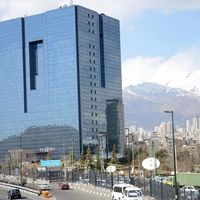
Iran’s central bank warns economy may take 12 years to rebuild after war

Apr 14, 2026, 00:30 GMT+1

Iran’s central bank has warned President Masoud Pezeshkian that rebuilding the country’s war-damaged economy could take more than a decade, sources familiar with internal deliberations told Iran International.

In a stark assessment delivered to the president in recent days, senior economic officials said the damage inflicted during the 40-day war with the United States and Israel—combined with Iran’s already fragile economic situation—could take up to 12 years to repair.

Several major airports were damaged during the conflict, while strikes also targeted oil facilities, refineries and petrochemical installations that are central to Iran’s export revenues and industrial supply chains.

Officials involved in the discussions warned that the destruction of production capacity could trigger a sharp surge in inflation in the coming months. According to the assessment presented to the president, inflation could reach as high as 180% if shortages of industrial inputs persist.

The same projections estimate that unemployment could rise by around two million people as factories, service providers and small businesses struggle to resume operations.

According to sources familiar with the discussions, central bank governor Abdolnaser Hemmati has been urging Pezeshkian to take urgent steps to stabilize the economy, including restoring full internet access and pursuing an agreement with the United States.

Tehran and Washington appear to be exploring the possibility of further talks following the one in Pakistan last weekend. Iranian economists have long argued that a diplomatic thaw and easing of sanctions could be the best path toward economic stabilization.

Iran has maintained a nationwide internet shutdown for weeks during the conflict, a move officials say was intended to counter cyber threats but which has also severely disrupted businesses that rely on global connectivity.

Iran’s digital economy accounts for roughly 5–6% of the country’s GDP, and the shutdown has cut off millions of entrepreneurs from customers, payment systems and online platforms.

Small businesses, freelancers and startup founders have been among the hardest hit. Many rely on services such as Instagram, messaging apps and foreign-hosted websites to reach clients.

Economists inside the government warn that prolonged restrictions could deepen the downturn and slow recovery even further.

The bleak economic projections have heightened concerns among members of Pezeshkian’s team, according to the sources.

Some officials fear that if the economic crisis worsens or the state faces financial collapse, powerful figures within the Islamic Revolutionary Guard Corps could seek to shift blame onto the president, they said.

Iran entered the war already under heavy economic strain from years of sanctions, high inflation and currency instability.