• العربية
  • فارسی
BrandBrand
  • Iran Insight
  • Politics
  • Economy
  • Analysis
  • Special Report
  • Opinion
  • Podcast
  • Live TV
  • Iran Insight
  • Politics
  • Economy
  • Analysis
  • Special Report
  • Opinion
  • Podcast
  • Live TV
  • Theme
  • Language
    • العربية
    • فارسی
  • Iran Insight
  • Politics
  • Economy
  • Analysis
  • Special Report
  • Opinion
  • Podcast
  • Live TV
All rights reserved for Volant Media UK Limited
volant media logo

Iran detains 2,000 in war sweep, some may face death for Israel espionage

Jul 23, 2025, 09:23 GMT+1Updated: 14:33 GMT+1
Iran’s judiciary chief Gholamhossein Mohseni Ejei during an interview with state TV (July 2025)

Iran’s judiciary chief said around 2,000 people were arrested during and after the 12-day war with Israel, with some detainees accused of collaborating with the Jewish state potentially facing the death penalty.
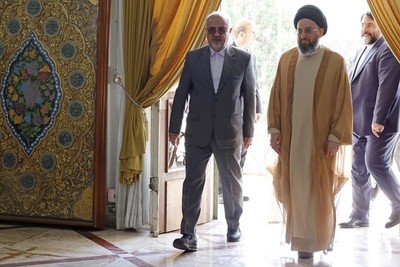
“In our law, anyone who cooperates with a hostile state during wartime must be arrested and prosecuted,” Gholamhossein Mohseni Ejei said in an interview with state TV.

“Some of these individuals face severe punishments, including the death penalty, while others may receive lighter sentences,” he added.

The country's chief justice added that many of those detained were released shortly after investigations found no evidence of espionage or cooperation with Israel. Others were released on bail despite lingering suspicions.

Some detainees have been accused of direct ties to Israel and are being interrogated to identify potential co-conspirators, Ejei said.

Ejei said the judiciary has ordered expedited handling of these cases under wartime legal procedures. Indictments have been issued for some cases and trial dates set, while others are still under investigation.

Iran’s parliament has passed an emergency bill to increase penalties for espionage and collaboration with “hostile states.”

Last month, UN experts which included UN special rapporteur on the situation of human rights in the Islamic Republic of Iran, Mai Sato, urged Iran to stop what they described as "post-ceasefire crackdown."

The experts cited the arrests of hundreds of people, including journalists, human rights defenders, social media users, foreign nationals — particularly Afghans — and members of ethnic and religious minorities such as Baha’is, Kurds, Baluchis and Ahwazi Arabs.

Most Viewed

'Iraq-first' message from Iran ally sparks calls for retaliation
1
INSIGHT

'Iraq-first' message from Iran ally sparks calls for retaliation

2
ANALYSIS

Iran talks with Mecca pact states may be ‘last chance’ before military action

3
INSIGHT

Tehran plans for $130 oil it struggles to sell

4

Tehran summit divides Iranian hardliners over Yemen and US talks

5

Iran rejects Qatari peace ideas as Trump leaves door open to new strikes

Spotlight

  • NPT withdrawal returns to Iran debate as diplomacy gains pace
    INSIGHT

    NPT withdrawal returns to Iran debate as diplomacy gains pace

  • Iran's Great Depression? Economists weigh Bessent's dire forecast
    ANALYSIS

    Iran's Great Depression? Economists weigh Bessent's dire forecast

  • Inside the alleged IRGC Intelligence takeover of Iran’s sanctioned oil trade
    EXCLUSIVE

    Inside the alleged IRGC Intelligence takeover of Iran’s sanctioned oil trade

  • Tehran plans for $130 oil it struggles to sell
    INSIGHT

    Tehran plans for $130 oil it struggles to sell

  • Tehran summit divides Iranian hardliners over Yemen and US talks

    Tehran summit divides Iranian hardliners over Yemen and US talks

  • Iran’s neighbors push diplomacy, prepare for its failure
    ANALYSIS

    Iran’s neighbors push diplomacy, prepare for its failure

Banner
Banner
Banner
Banner
Banner