Regional support for US-Iran nuclear talks is broader than during the talks for the 2015 deal, former Iranian lawmaker Heshmatollah Falahatpisheh said on Tuesday, according to ILNA.
“All countries in the region, except Israel, have welcomed these negotiations — even during the JCPOA, that level of support didn’t exist,” he said, calling it a clear sign that the region wants stability and expanded economic ties.
Falahatpisheh, former head of parliament’s national security committee, also criticized the use of indirect talks and urged a move to direct negotiations. He added that Iran has no ideological objection to economic cooperation with the United States.


Iran is using nuclear talks with the US to delay pressure and recover from regional setbacks without making major concessions, The Spectator reported on Tuesday.
Tehran aims to keep the talks narrowly focused on its nuclear program while refusing to discuss its ballistic missiles or regional activities, according to analysis by Jonathan Spyer. Iran’s goal is either a revival of the 2015 nuclear deal or a drawn-out process that stalls further sanctions and military threats.
Tehran has suffered significant losses to its regional allies, with Hamas, Hezbollah, and the Houthis under pressure and Syria's Bashar Assad no longer in power. Despite these blows, the core structure of Iran’s influence remains intact, and Iran sees time as its most valuable asset.
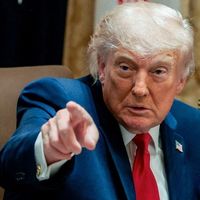
Iranians “do not need to enrich past 3.67%,” Donald Trump’s special envoy and chief negotiator Steve Witkoff said Monday.
3.67 percent is the uranium enrichment limit set by Iran’s 2015 nuclear deal with the Obama administration.
Witkoff told Fox News that the negotiations with Iran are “going to be very much about verification of the enrichment program, and ultimately verification of weaponization.”
“That includes missiles — the type of missiles they have stockpiled — and it includes the trigger for a bomb,” he added.
The Trump administration had earlier called for the full dismantlement of Iran’s nuclear program. However Witkoff’s remarks now indicate the US negotiators may allow some uranium enrichment in Iran.

Twelve Iranian lawyers who represented protesters during nationwide antigovernment protests in 2022 have been sentenced to three years in prison and fined, a human rights group said, underscoring a continuing crackdown on civil society.
A Revolutionary Court in Mashhad handed down the verdicts on charges of propaganda against the establishment and propaganda in favor of Israel according to the Human Rights Activists News Agency (HRANA).
Speaking to Iran International, defense attorney Mohammad Olyaifard said the lawyers were punished for doing their jobs.
“These verdicts are part of the ongoing crackdown on civil institutions,” Olyaifard said.
Initially charged in 2022, the lawyers were briefly included under a general amnesty directive but in January 2025 Iranian authorities reopened the case and launched a new round of investigations.
The Islamic Republic has long targeted independent lawyers and civil society advocates. After the nationwide protests beginning in September 2022 were quashed with deadly force, the state has kept a tight lid on civil and political activism with arrests and executions of demonstrators.
Iran says the second round of its negotiations with the US will be held in Muscat and not Rome, IRNA reported citing the Foreign Ministry spokesman.
"It has been agreed that Muscat will continue to host the second round of negotiations, which will be held on Saturday, April 19," Esmaeil Baghaei said, denying both Iranian and Italian announcements that the talks were due to be held elsewhere.
The announcement came just two hours after Iran's foreign minister told Arab counterparts that the talks would be held in Europe, according to his official X account.
Italy's foreign ministry had confirmed earlier on Monday it would host the negotiations on Saturday.
Iran requested that Washington exert influence on European states not to trigger United Nations sanctions on Tehran in talks on Saturday in Oman, Iran's state-run Tehran Times newspaper reported.
"(Iran) told the US on Saturday that it would be on Washington to make sure snap back does not get activated," the paper wrote, without specifying its sources.
Germany, Britain and France are parties to a 2015 international nuclear deal which is due to expire by October 18 and can trigger international sanctions which predate the deal up until then if it deems Iran non-compliant.
The sanctions that were lifted under that agreement are due to "snap back" into place 30 days after the mechanism is triggered unless the council's five permanent members unanimously vote to keep the sanctions lifted.