• العربية
  • فارسی
Brand
  • Iran Insight
  • Politics
  • Economy
  • Analysis
  • Special Report
  • Opinion
  • Podcast
  • Live TV
  • Iran Insight
  • Politics
  • Economy
  • Analysis
  • Special Report
  • Opinion
  • Podcast
  • Live TV
  • Theme
  • Language
    • العربية
    • فارسی
  • Iran Insight
  • Politics
  • Economy
  • Analysis
  • Special Report
  • Opinion
  • Podcast
  • Live TV
All rights reserved for Volant Media UK Limited
volant media logo

Eighty Five Years On, The Shah’s Ban On Hijab Still Divides

Maryam Sinaiee
Maryam Sinaiee

Iran International

Jan 7, 2022, 19:37 GMT+0Updated: 17:40 GMT+1
Reza Shah Pahlavi and His son Mohammad Reza inaugurating Iran's south-north railway in 1938.

Hijab remains at the heart of Iranian politics 85 years after Reza Shah Pahlavi's decree of January 8, 1936 outlawing traditional Islamic veils and scarves.
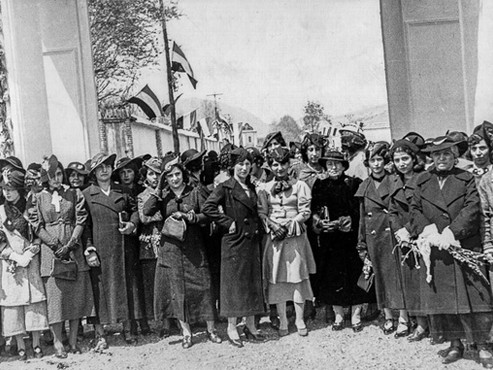
The founder of the Pahlavi dynasty banned women from wearing both traditional Islamic veils covering the whole body (chador) and headscarves. The shah had previously spent several years promoting "kashf-e hejab,” or unveiling, through requiring female teachers and students to attend school unveiled.

The shah regarded Iranian hijab and traditional costumes as a sign of ‘backwardness,’ and tried also to compel men to wear what he regarded as ‘western’ costumes and hats.

With the ban on hijab, many women stayed inside their homes for years or left home only in the dark or hidden inside carriages to avoid confrontation with the police who would if necessary use force to unveil them. Even older Christian and Jewish women found the ban on headscarves hard to comply with.

100%
Iranian women shortly after the ban on hijab.

The ban was declared at the graduation ceremony of Tehran teacher's college, at which the queen and the shah’s two daughters appeared in public unveiled in Western attire. In a speech at the ceremony, the shah said Iranian women “should stand out in society the same way as they stand out at their homes.”

The religious establishment which saw, and still sees, the unveiling of women as a blow to its values and power, strongly opposed the decree and Reza Shah's other attempts at modernization.

It was "one of the huge crimes" of the Pahlavi dynasty aimed at destroying and modesty in Iran,” Iranian Supreme Leader Ali Khamenei said in a speech on January 7, 2016. "It was meant to get people engrossed in their very powerful sexual desires so that they would abandon everything else."

Implementation of the ban eased, and many women went back to traditional ways of dressing when Reza Shah went into exile in 1941 due to his German sympathies and under British pressure for the succession of his son Mohammad Reza Pahlavi.

100%
Iranian women with traditional chador veils before the hijab ban.

In the last few years before the Islamic Revolution of 1979, wearing headscarves became popular among those in the younger generation who often saw it as a means to express their political opposition to the monarchy and its westernization of the Iranian society.

In the early days of the Revolution, some women who did not cover their hair were prevented from entering government offices, banks, and other public areas. The law requiring women to cover hair heads and wear long, loose-fitting coats in public was passed in 1983 and those who defy it, even inside their cars risk face fines or prison and lashing. Some anti-hijab activists have been jailed.

A report by the parliament's research center in 2018 said the number of Iranians who believed in mandatory hijab had waned. According to the report those who considered the hijab a value that could be stipulated in law had fallen from 85 percent in the early 1980s to around 35 percent.

Most Viewed

Alamolhoda seeking presidency of Iran’s Assembly of Experts - report
1

Alamolhoda seeking presidency of Iran’s Assembly of Experts - report

2
INSIGHT

What is Pickaxe Mountain, and why does Trump keep saying he will bomb it?

3
EXCLUSIVE

Satellite images show Iran’s key ports falling quiet under US blockade

4
ANALYSIS

Debate grows over whether Iran is burning its strongest card in Hormuz

5
INSIGHT

Iran's appliance industry is collapsing, and so is the market it was built for

Banner
Banner

Spotlight

  • Satellite images show Iran’s key ports falling quiet under US blockade
    EXCLUSIVE

    Satellite images show Iran’s key ports falling quiet under US blockade

  • Iran's appliance industry is collapsing, and so is the market it was built for
    INSIGHT

    Iran's appliance industry is collapsing, and so is the market it was built for

  • In Hormuz, Iran only needs to keep ships guessing
    PODCAST

    In Hormuz, Iran only needs to keep ships guessing

  • If Britain backs US plan, Iran's London bank shuts down on October 22
    ANALYSIS

    If Britain backs US plan, Iran's London bank shuts down on October 22

  • 'If I'm not happy, they'll execute me': Iran's new grammar of dissent
    ANALYSIS

    'If I'm not happy, they'll execute me': Iran's new grammar of dissent

  • Debate grows over whether Iran is burning its strongest card in Hormuz
    ANALYSIS

    Debate grows over whether Iran is burning its strongest card in Hormuz

Banner