The now-iconic gesture – which some users likened to the final scene of Malèna, starring Monica Bellucci – has been echoed in photos and videos shared on social media in recent days. Over the weekend, some Iranians abroad also staged symbolic recreations during demonstrations in several countries.
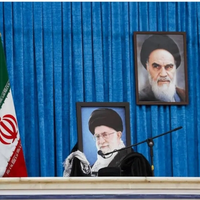
Burning images of Iran’s supreme leader – who routinely brands protesters “rioters” – has been a recurring feature of anti-government demonstrations since 2008 and remains a powerful symbol of resistance.
The woman posts on X under the handle Morticia Addams and, according to her posts, is 25 and lives in Canada. She has said she was arrested during the November 2019 protests in Iran. In one post, she wrote: “Every time I was on the street. This time I couldn’t be. Forgive me, Mother Iran.”
Iran has faced an internet blackout in recent days, but Iranian users abroad also reacted strongly. One user, posting as “Iran-Dokht,” wrote sarcastically: “I don’t smoke, but I really felt like lighting a cigarette, right now.”
International attention
The image drew wider international attention after J.K. Rowling, the author of the Harry Potter series, shared a poster showing the woman lighting a cigarette from a half-burned portrait of Supreme Leader Ali Khamenei.
Rowling wrote: “If you claim to support human rights yet can’t bring yourself to show solidarity with those fighting for their liberty in Iran, you’ve revealed yourself. You don’t give a damn about people being oppressed and brutalized so long as it’s being done by the enemies of your enemies.”
The Europe-based outlet Nexta TV commented: “This isn’t shock value. It’s a blunt political gesture – open contempt for a regime that has spent decades controlling women’s bodies, clothing, behavior, and lives.”
Other powerful images
The imagery has also evoked moments from the 2022 “Woman, Life, Freedom” protests, which erupted after the death of 22-year-old Mahsa Amini following her detention by Iran’s morality police. During that period, videos of women burning headscarves spread rapidly online, including scenes some viewers said recalled Nika Shakarami, a young protester killed in Tehran.
Another widely shared image from that time showed a young woman in Karaj tying back her short hair before joining protesters. Many women also cut locks of hair and posted the footage online. The gesture became so widely recognized that female lawmakers in several countries repeated it on parliamentary floors in solidarity with Iranian women.
More recently, another clip circulating widely shows an elderly woman with white hair and a bloodied mouth chanting slogans. In footage posted on social media before the internet shutdown, she says, referring to the Islamic Republic’s 47-year rule: “I am not afraid. I have been dead for 47 years.”
Rowling wrote: “If you claim to support human rights yet can’t bring yourself to show solidarity with those fighting for their liberty in Iran, you’ve revealed yourself. You don’t give a damn about people being oppressed and brutalised so long as it’s being done by the enemies of your enemies.”
The European media outlet Nexta TV commented: “This isn’t shock value. It’s a blunt political gesture — open contempt for a regime that has spent decades controlling women’s bodies, clothing, behavior, and lives.“
Other powerful images
The imagery recalls earlier moments from the 2022 “Woman, Life, Freedom” protests that erupted after the death of 22-year-old Mahsa Amini, who died after being detained by Iran’s morality police. During that period, videos of women burning their headscarves went viral, including scenes reminiscent of Nika Shakarami, a young protester killed in Tehran.
Another widely shared image from that time showed a young woman in Karaj tying back her short hair before joining protesters. Many women also cut locks of their hair and shared the footage online. The gesture became so iconic that female lawmakers in several countries repeated it in their parliaments in solidarity with Iranian women.
Among the more recent viral images is a video of an elderly woman with white hair and a bloodied mouth chanting slogans. In the footage that emerged on social media before the internet shutdown, she is heard saying, in reference to the 47-year rule of the Islamic Republic: “I am not afraid. I have been dead for 47 years.”