Over the last decade, Iranians have cut dairy consumption by 30% and meat by 17%, amid escalating poverty largely caused by the government's inefficient economic policies.
This month, Mohammad Reza Bani-Taba, the spokesman for Iran’s Dairy Industry Association, announced that per capita milk and dairy consumption in Iran has dropped to 70 kg/year, which is less than half the global average.
Bani-Taba did not specify the exact extent of the decline in dairy and milk consumption in recent years, nor did he clarify whether this reduction has been gradual or abrupt.
According to statistics of the Food and Agriculture Organization of the United Nations (FAO), the country’s per capita milk and dairy products consumption declined from 101 kg in 2010 to 70 kg in 2023.
While dietary habits vary across cultures, it is noteworthy that in neighboring Turkey, citizens consume 3.5 times more milk and dairy products than Iranians.
Turkey produces over 21 million tons of milk and dairy products annually, yet exports less than 0.5 million tons. In contrast, Iran, with only a third of Turkey's production, exports four times more than its western neighbor.
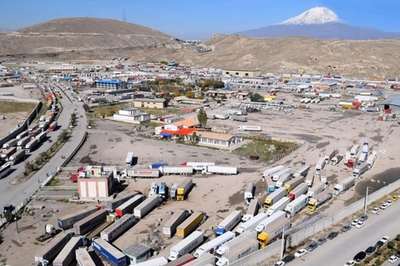
Iran’s milk and dairy products exports have surged by 500% in recent years, driven by plummeting domestic demand and the termination of the school milk distribution program. The government ceased free milk distribution in schools in the mid-2010s, significantly boosting exports. However, in late 2023, the government announced plans to reinstate the free milk program in schools.
Iran's milk and dairy products market
On meat consumption, FAO statistics indicate that consumption per capita in Iran has decreased from 38.6 kg in 2010 to 31.8 kg in 2023, reflecting a 17% decline.
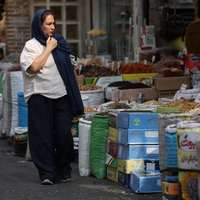
Meat has experienced the highest inflation among food items in recent years, with prices surging above 100% in mid-2023. Just last month, meat prices saw a 74% year-on-year increase.
Official statistics also reveal a 22% decline in daily per capita calorie intake in Iran, dropping to 2,100 calories since the 2010s, with the situation worsening each year.
According to a 2023 report by the semi-official ILNA news agency, one-third of Iran’s population now lives in extreme poverty, with this number nearly doubling from 2020 to 2021.
However, the real figure is likely much higher. Official statistics from the Interior Ministry indicate that around 60% of Iranians live below the relative poverty line.