The Iranian rial fell sharply on Wednesday as markets braced for the reimposition of UN sanctions under the snapback mechanism, with the US dollar trading above 1,070,000 rials on the open market, more than 2% higher than a day earlier.
Sterling climbed to 1,440,000 rials, while the price of the “Emami” gold coin rose 3.5% to 1,070,000,000 rials, reflecting heightened demand for hard assets amid economic uncertainty.
G7 foreign ministers on Wednesday called on Iran to fully meet its obligations under the nuclear Non-Proliferation Treaty, resume cooperation with the UN atomic watchdog and engage in direct talks with the United States.
In a joint statement after talks on the sidelines of the UN General Assembly, they also voiced support for the European powers’ decision to trigger the snapback mechanism to restore UN sanctions, saying it was key to ensuring Iran never obtains a nuclear weapon.

The Iranian rial fell sharply on Wednesday as markets braced for the reimposition of UN sanctions under the snapback mechanism, with the US dollar trading above 1,074,000 rials on the open market, more than 2% higher than a day earlier.
Sterling climbed to 1,440,000 rials, while the price of the “Emami” gold coin rose 3.5% to 1,070,000,000 rials, reflecting heightened demand for hard assets amid economic uncertainty.
On Tuesday, Iran’s central bank governor Mohammadreza Farzin sought to reassure business leaders that the country’s foreign exchange and gold reserves remain secure.
Also on Wednesday, Oil Minister Mohsen Paknejad said that reimposition of UN sanctions will not add "new burdensome restrictions" on the country’s oil sales.
"In the last years, we have faced such severe restrictions from the unjust and unilateral US sanctions that, in practice, [UN sanctions] won't add much to this situation," Paknejad said after a cabinet meeting.
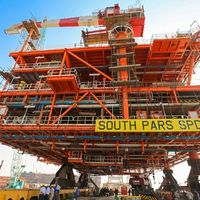
The oil and petrochemical sector contributed roughly a quarter of Iran’s GDP in 2024, making continued exports critical to Tehran’s economy as sanctions loom.
Reuters also reported on Wednesday that the revival of sanctions is unlikely to halt Tehran’s vital crude exports but could hand Chinese refiners a lucrative advantage, giving them greater access to discounted Iranian oil.
Iranian Oil Minister Mohsen Paknejad said on Wednesday that the activation of the UN snapback sanctions would not impose “new burdensome restrictions” on the country’s oil exports.
“If we face conditions that require fresh decisions, we will have plans in place,” Paknejad told reporters after a cabinet meeting.

An Iranian lawmaker said on Wednesday that the return of UN sanctions through the “snapback” mechanism would have little effect on the country, arguing that Western leverage over Tehran has run out.
Abolfazl Aboutorabi, a member of parliament’s internal affairs committee, said the European move showed the West was “untrustworthy despite Iran’s commitment to diplomacy.”
He cited divisions within the UN Security Council, the limited scope of UN sanctions compared with US measures, and Iran’s adaptation to years of restrictions.
Aboutorabi also pointed to “stabilized oil customers, growing de-dollarization in oil trade, and the end of effective Western pressure levers against Iran.”

The looming revival of UN sanctions on Iran is unlikely to halt Tehran’s vital crude exports but could hand Chinese refiners a lucrative advantage, giving them greater access to discounted Iranian oil, Reuters reported on Wednesday.
Britain, France and Germany triggered the 30-day “snapback” process on August 28, accusing Iran of breaching the 2015 nuclear deal. If no agreement is reached, restrictions including an arms embargo, asset freezes and bans on nuclear-related technology will return at the end of the month.
The move would also provide a legal basis for the EU and Britain to reimpose banking, shipping and energy curbs.
But as Reuters’ columnist Ron Bousso writes, past experience shows Western sanctions have had limited lasting impact on Iranian oil flows.
Exports collapsed to 444,000 barrels per day (bpd) in 2020 after Washington reimposed sanctions but have since rebounded to 1.6 million bpd this year, with nearly 80% going to China, according to data from analytics firm Kpler.
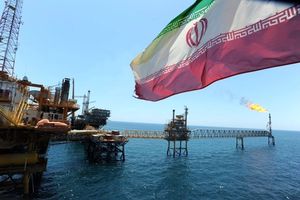

Despite years of US efforts to expand restrictions on tankers, traders and refiners, Iran has developed an opaque network of intermediaries, uninsured vessels and ship-to-ship transfers to keep crude flowing.
“These whack-a-mole efforts have had little and often short-lived impact,” Bousso wrote.
Analysts say the snapback may deter some Asian buyers but not Beijing, which has already defied Western sanctions by importing sanctioned Russian LNG cargoes. Chinese refiners could even gain leverage to secure Iranian oil at steeper discounts, further undermining the effectiveness of Western sanctions.
The oil and petrochemical sector contributed roughly a quarter of Iran’s GDP in 2024, making continued exports critical to Tehran’s economy as sanctions loom.